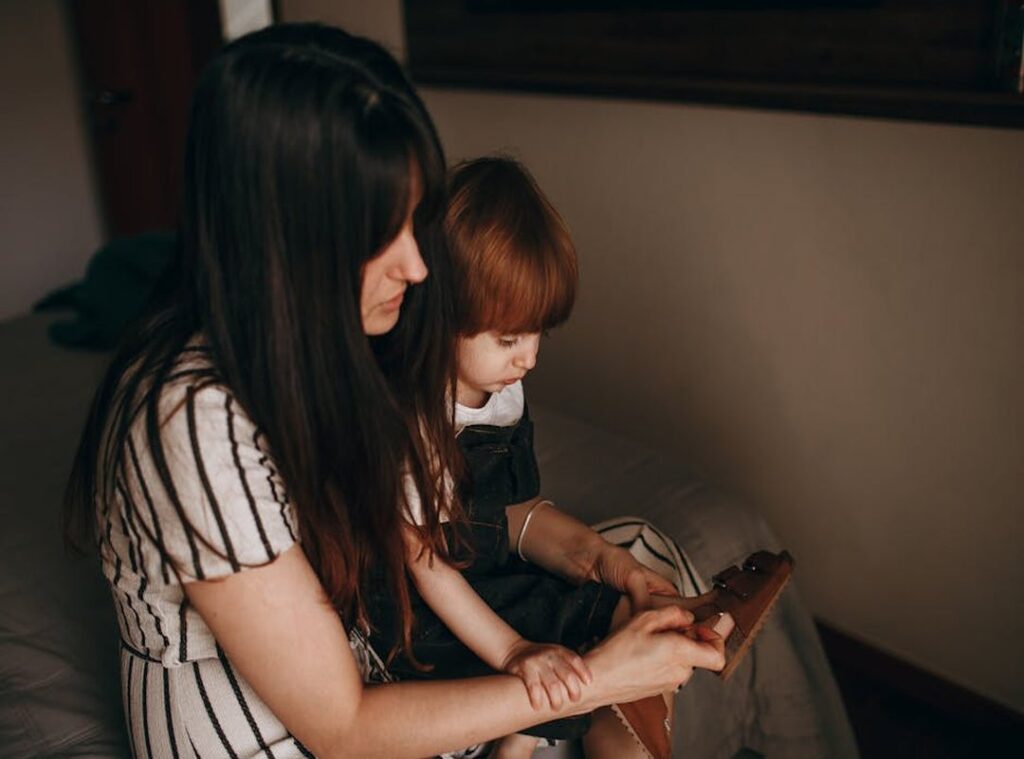

You know that moment when your kid drops a new slang word or talks about a meme, and you’re left scratching your head? It’s like they’re speaking a different language. And let’s be real, it can be pretty frustrating.
The digital gap between parents and kids is getting wider, especially on fast-paced platforms like Twitter where twitter melayu viral trends come and go in the blink of an eye.
This article is here to help. I’m going to guide you through understanding the online world your kids are part of. We’ll decode those popular trends and help you spot the difference between harmless fun and stuff that might be concerning.
By the end, you’ll feel more connected and informed about your child’s digital life. You won’t need to become a Twitter expert, but you’ll have the tools to keep the lines of communication open and ensure their online safety.
Decoding the Lingo: A Parent’s Guide to Common Twitter Slang
Internet slang is a form of creative expression and social bonding for younger generations. It evolves rapidly, and keeping up can feel like a full-time job.
Take it from me, understanding a few key terms can make conversations with your teens feel more natural. It’s less like an interrogation and more like a genuine chat.
Let’s dive into some current and popular Malay slang terms you might see on Twitter:
Pape Roger
This term means “I understand” or “Got it.” It’s often used as a quick acknowledgment.
Example: Teen: “Remember to pick me up at 5.” Parent: “Pape Roger.”
Fomca
It’s short for “Federal of Consumers Associations of Malaysia.” But in slang, it’s used to mock someone who complains a lot.
Example: Teen: “He’s such a fomca, always complaining about everything.”
Tiberr
This one comes from a viral video where someone mispronounced “tiger.” Now it’s used to describe something wild or crazy.
Example: Teen: “That party was tiberr last night!”
Member
Short for “remember,” it’s a casual way to say “do you remember?” or “don’t forget.”
Example: Teen: “Member we have that test tomorrow?”
These terms often come from twitter melayu viral moments, pop culture references, or just a fun twist on everyday language.
Understanding these terms can help you connect with your teens. It shows you’re making an effort to be part of their world. And who knows, you might even get a laugh or two out of them.
The Good, The Bad, and The Viral: Types of Trends to Watch For

When it comes to online trends, it’s crucial to categorize them into three distinct groups. This helps parents quickly assess what their child is seeing.
-
The Good: These are harmless and positive trends. Think creative memes, fan community discussions like #dramatwitter, funny video challenges, or positive social movements. They can be a fun and engaging way for kids to connect with others and express themselves creatively.
-
The Bad: These are the concerning trends. Cyberbullying, dangerous ‘challenges,’ the spread of misinformation, or exposure to inappropriate content fall into this category. For example, a recent trend involved teens sharing personal information in a game that turned out to be a data harvesting scam.
It’s important to stay vigilant and talk to your kids about these risks.
-
The Viral: These are neutral but influential trends. Brand campaigns, celebrity news, or major social discussions can shape a young person’s worldview. Take the twitter melayu viral trend, where a local celebrity’s post sparked a nationwide conversation.
While not inherently harmful, these trends can influence how kids think and feel.
A simple tip for parents: look at the overall tone and the comments section of a trending topic. This can give you a quick sense of its nature.
Balancing work and family honest reflections from modern moms can be tough, but staying informed about these trends is a step in the right direction.
How to Talk to Your Teen About What They See on Twitter
Talking to your teen about what they see on Twitter can feel like a minefield. But it doesn’t have to be. The key is to approach these conversations with curiosity, not judgment.
I remember one parent telling me, “I was so worried I’d say the wrong thing and push my kid away.” That’s a real fear, but it’s also a common one. The goal is to open a dialogue, not to lecture.
Try starting with something non-confrontational. For example, “I saw this twitter melayu viral was trending, can you explain it to me?” or “What’s the funniest thing you’ve seen on Twitter this week?”
These questions invite your teen to share without feeling like they’re being interrogated. It’s a way to show that you’re interested in their world.
Another parent shared, “When we talk about what’s trending, it feels more like a conversation than a lesson.” Exactly. Use these moments as teachable ones. If there’s a misinformation trend, for instance, it’s a perfect opportunity to discuss media literacy and critical thinking.
Setting boundaries is important too. But it’s how you set them that matters. Collaborate with your teen.
Explain the ‘why’ behind the rules. For example, “We need to limit screen time because it helps you focus better on other things.”
Creating a safe space is crucial. Your child should feel comfortable coming to you if they encounter something online that’s scary, confusing, or upsetting. One mom told me, “My daughter felt safe enough to tell me when she saw something that bothered her.
That made all the difference.”
So, keep the lines of communication open. Be curious. And always, always, listen.
Staying Connected in a Fast-Moving Digital World
Understanding twitter melayu viral is not about spying, but about building bridges and staying connected to your child’s world. Parents do not need to know every single meme or trend. The focus should be on understanding the types of content and maintaining open lines of communication.
Ask curious questions. Use trends as conversation starters.
Tonight, ask your child about one interesting thing they saw online. Your goal isn’t to judge, but simply to listen and understand their world a little better.
 Founder & CEO
Draxian Vosswyn is the kind of writer who genuinely cannot publish something without checking it twice. Maybe three times. They came to parenting tips and strategies through years of hands-on work rather than theory, which means the things they writes about — Parenting Tips and Strategies, Curious Insights, Mom Life Highlights, among other areas — are things they has actually tested, questioned, and revised opinions on more than once.
That shows in the work. Draxian's pieces tend to go a level deeper than most. Not in a way that becomes unreadable, but in a way that makes you realize you'd been missing something important. They has a habit of finding the detail that everybody else glosses over and making it the center of the story — which sounds simple, but takes a rare combination of curiosity and patience to pull off consistently. The writing never feels rushed. It feels like someone who sat with the subject long enough to actually understand it.
Outside of specific topics, what Draxian cares about most is whether the reader walks away with something useful. Not impressed. Not entertained. Useful. That's a harder bar to clear than it sounds, and they clears it more often than not — which is why readers tend to remember Draxian's articles long after they've forgotten the headline.
Founder & CEO
Draxian Vosswyn is the kind of writer who genuinely cannot publish something without checking it twice. Maybe three times. They came to parenting tips and strategies through years of hands-on work rather than theory, which means the things they writes about — Parenting Tips and Strategies, Curious Insights, Mom Life Highlights, among other areas — are things they has actually tested, questioned, and revised opinions on more than once.
That shows in the work. Draxian's pieces tend to go a level deeper than most. Not in a way that becomes unreadable, but in a way that makes you realize you'd been missing something important. They has a habit of finding the detail that everybody else glosses over and making it the center of the story — which sounds simple, but takes a rare combination of curiosity and patience to pull off consistently. The writing never feels rushed. It feels like someone who sat with the subject long enough to actually understand it.
Outside of specific topics, what Draxian cares about most is whether the reader walks away with something useful. Not impressed. Not entertained. Useful. That's a harder bar to clear than it sounds, and they clears it more often than not — which is why readers tend to remember Draxian's articles long after they've forgotten the headline.