
Picture this: your toddler, attempting something new, fills you with pride but also a hint of worry. Are they on track? That’s a big question.
The internet? It’s flooded with cold, clinical checklists that often leave you more anxious than reassured.
This guide is different. Think of it as a warm, down-to-earth map that focuses on the amazing journey of toddlerhood, not a stressful race to the finish line. As a mom who has navigated these exact milestones, I know the questions you’re asking.
This guide is built on that real-world experience.
We’ll explore toddler physical growth patterns with a stress-free approach. You’ll get a clear, friendly understanding of what to expect. No fluff, just real-life takeaways.
So, together and make sense of this beautiful chaos.
First Things First: Milestones Are Not a Race
Milestones. They’re these guideposts we all obsess over, right? But they’re not deadlines.
They’re more like signposts on a hike, not a minute-by-minute itinerary. Every kid hikes at their own pace (and isn’t that beautiful?). The truth is, toddler physical growth patterns vary wildly.
Some kids sprint ahead, others meander, taking in the scenery.
Ever notice how second children often hit milestones differently compared to their older siblings? It’s not magic; it’s just how life works. Personality, environment, and even sibling dynamics play a massive role.
Does it mean they’re behind? Not at all. In fact, there’s a whole world of “normal.” That’s the real story here.
Parents, I get it. The fear of falling behind is real. But remember, this guide is about celebrating progress, not comparing.
There’s a wide range of normal, and your child is on their unique path. Want more takeaways on this? Check out understanding child development milestones.
The journey is yours to embrace, not race through. Pro tip: trust your instincts and enjoy the hike.
The Big Four Areas of Growth: What to Watch For from 1 to 3 Years
Watching toddlers grow is like witnessing a small miracle unfold. Seriously, it’s wild how much they change. Let’s break down the big four areas of growth, so you know what amazing feats to expect in the coming years.
Movement & Motor Skills (Getting Around)
First up, movement and motor skills. We’re talking about the basics: walking, running, climbing. Around 18 months, you might see them trying to kick a ball.
By 2.5, they might even stand on one foot for a second. That’s balance, folks!
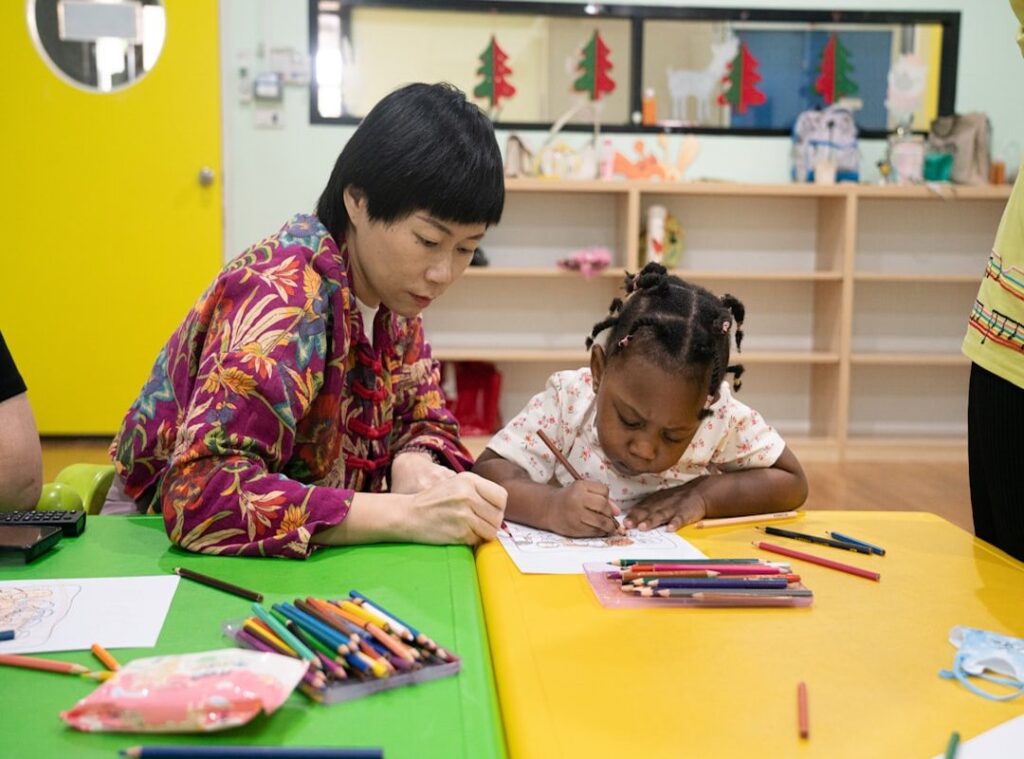
Then there are fine motor skills. Little things like stacking blocks or scribbling with a crayon. I remember marveling at how my own kid could stack three blocks high (an) architectural wonder at the time.
These little victories are huge steps in their development.
Language & Communication (Finding Their Voice)
Next, language. It’s all about finding their voice. First, it’s a word here and there, maybe some pointing.
Before you know it, they’re stringing two-word phrases together. And then comes the endless “Why?” questions. That’s when you know they’re really getting it.
Non-verbal cues are just as fascinating. Nodding for yes or shaking their head for no. It’s like watching a silent movie unfold with every gesture telling a story.
Brain Power (Thinking & Problem-Solving)
Now for brain power. Toddlers are little thinkers. Ever seen one pretend to feed a doll?
That’s them figuring out the world. They start following simple two-step commands, like “Please get your shoes and bring them to me.” It’s impressive, really.
Sorting shapes and colors also comes into play here. One day they’re just drooling on the puzzle pieces. The next, they’ve got it all figured out.
Cognitive milestones like these are key to understanding toddler physical growth patterns.
Social & Emotional Skills (Connecting with Their World)
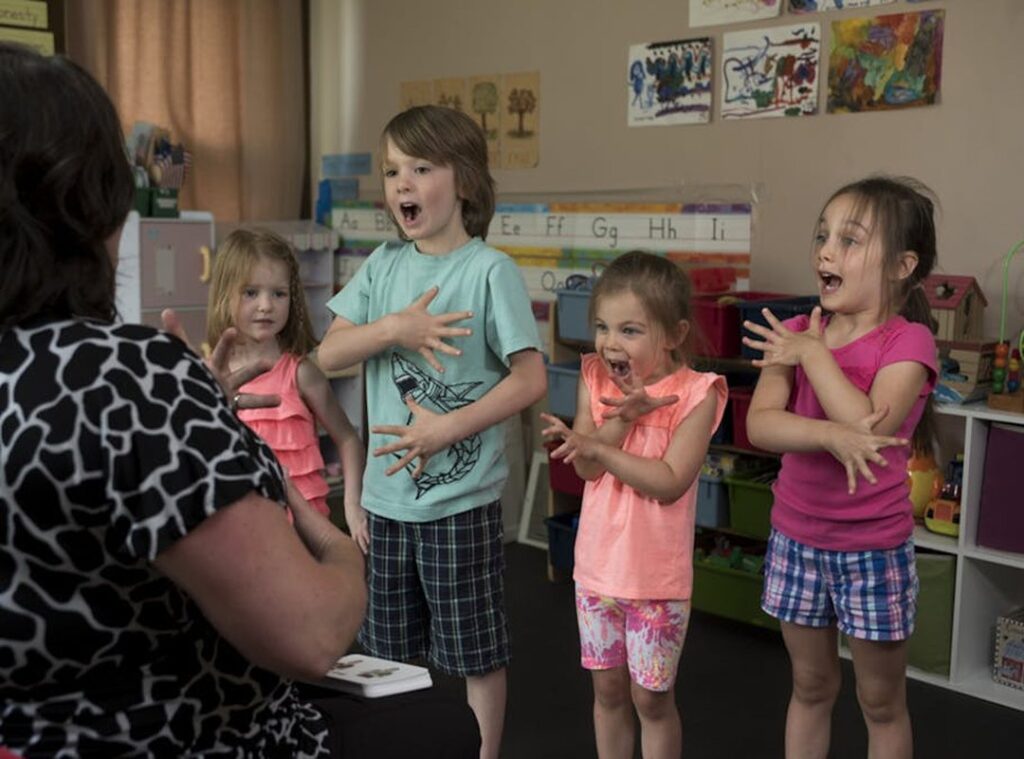
Finally, social and emotional skills. This is where they learn to connect with others. Parallel play is a big deal.
They’re playing next to each other, not with each other yet. But don’t worry, it’s part of the process.
They also start showing empathy. Like patting a crying friend on the back. It’s their way of saying, “I get it.” And of course, there’s testing boundaries.
Oh boy, do they ever.
In these early years, they’re learning how to express their big feelings. It’s all part of growing up. Watching them get through these stages is an adventure in itself.
Each step is a small piece of the puzzle that makes up who they’ll become.
Let’s Play! Everyday Fun to Boost Growth
Getting toddlers to grow and learn doesn’t need to feel like a chore. You know that, right? It’s all about making it fun and easy. to some simple activities you can try today to nurture their growth (while keeping your sanity intact).

Motor Skills
Have you ever turned your living room into an obstacle course? Well, grab those pillows and start building! It’s low-prep and high-energy.
Kids love it, and it’s a fantastic way to boost those motor skills.
Speaking of simple, how about play-doh? Squishing it, molding it, even pretending it’s food (we’ve all done it) helps little fingers get stronger. Plus, there’s the bubble chase!
Head outside and let them pop bubbles. It’s a workout disguised as fun.
Language
Narrate your day. Sounds silly, but it’s magic. “Now I’m washing the red apple.” Your toddler picks up language like a sponge. Repetitive books work wonders too.
Find ones with catchy phrases and read them together.
Singing simple songs works like a charm. You don’t need to be Beyoncé. Even “Twinkle, Twinkle, Little Star” works.
Your toddler loves hearing your voice, so sing away!
Cognitive Skills
Puzzles are underrated. Simple ones work best. They spark curiosity and problem-solving skills.
Let your toddler “help” with chores. Matching socks sounds mundane, but it’s a game to them.
Playing “I Spy” with colors is another winner. It’s like a secret weapon for cognitive growth. Who knew something so simple could be so effective?
Social & Emotional Skills
Model sharing. Show them how it’s done. It’s not just about toys, but feelings too.
Name their emotions (“I can see you’re feeling frustrated”). It helps them connect words to feelings.
Offer simple choices. “Blue cup or yellow cup?” It fosters independence. And if you ever wonder about recognizing signs of giftedness in children, dive into nitkaparenting.com.
Toddler physical growth patterns are fascinating. But remember, it’s all about making learning fun. Keep it playful.
They’ll grow before you know it!
When to Check In: A No-Stress Guide to Developmental Concerns
Let’s be honest, parenting can feel like walking a tightrope. You’re trying to balance all these toddler physical growth patterns while keeping your cool. I get it.
It’s daunting. But knowing a bit about developmental milestones isn’t just about spotting issues. It’s about knowing when your child might need a bit of extra support.
And that’s okay.
Take it from me, with my little one, I had a few concerns. When my kid wasn’t walking by 18 months, I felt that knot in my stomach. Do you ignore it?
No. I chatted with a pediatrician. Turns out, it was nothing major, but the peace of mind was priceless.
Here’s the thing: You know your child best. Trust that gut feeling. If they’re not responding to their name by 15 months or not using two-word phrases by age two, it might be worth a chat with a specialist.
It isn’t a failure. It’s empowering.
Making these proactive steps means giving your child the best shot at support. It’s not about what’s wrong, but about how to help them thrive. And really, isn’t that what we all want?
So don’t stress. You’ve got this.
Enjoy the Messy Magic
You’ve got this. Your search for clarity on toddler physical growth patterns ends here. The anxiety of wondering if your child is on the “right” path is real.
But remember, milestones are not set in stone. They’re a guide, not gospel. Everyday play is the secret sauce to nurturing your child.
Isn’t that a relief?
Now, take a deep breath. Put the checklist away. It’s time to dive into this magical stage with your toddler.
Embrace the chaos and enjoy the moments. You’re doing great. Ready to see the world through their eyes?
Go play today!
 Founder & CEO
Draxian Vosswyn is the kind of writer who genuinely cannot publish something without checking it twice. Maybe three times. They came to parenting tips and strategies through years of hands-on work rather than theory, which means the things they writes about — Parenting Tips and Strategies, Curious Insights, Mom Life Highlights, among other areas — are things they has actually tested, questioned, and revised opinions on more than once.
That shows in the work. Draxian's pieces tend to go a level deeper than most. Not in a way that becomes unreadable, but in a way that makes you realize you'd been missing something important. They has a habit of finding the detail that everybody else glosses over and making it the center of the story — which sounds simple, but takes a rare combination of curiosity and patience to pull off consistently. The writing never feels rushed. It feels like someone who sat with the subject long enough to actually understand it.
Outside of specific topics, what Draxian cares about most is whether the reader walks away with something useful. Not impressed. Not entertained. Useful. That's a harder bar to clear than it sounds, and they clears it more often than not — which is why readers tend to remember Draxian's articles long after they've forgotten the headline.
Founder & CEO
Draxian Vosswyn is the kind of writer who genuinely cannot publish something without checking it twice. Maybe three times. They came to parenting tips and strategies through years of hands-on work rather than theory, which means the things they writes about — Parenting Tips and Strategies, Curious Insights, Mom Life Highlights, among other areas — are things they has actually tested, questioned, and revised opinions on more than once.
That shows in the work. Draxian's pieces tend to go a level deeper than most. Not in a way that becomes unreadable, but in a way that makes you realize you'd been missing something important. They has a habit of finding the detail that everybody else glosses over and making it the center of the story — which sounds simple, but takes a rare combination of curiosity and patience to pull off consistently. The writing never feels rushed. It feels like someone who sat with the subject long enough to actually understand it.
Outside of specific topics, what Draxian cares about most is whether the reader walks away with something useful. Not impressed. Not entertained. Useful. That's a harder bar to clear than it sounds, and they clears it more often than not — which is why readers tend to remember Draxian's articles long after they've forgotten the headline.