
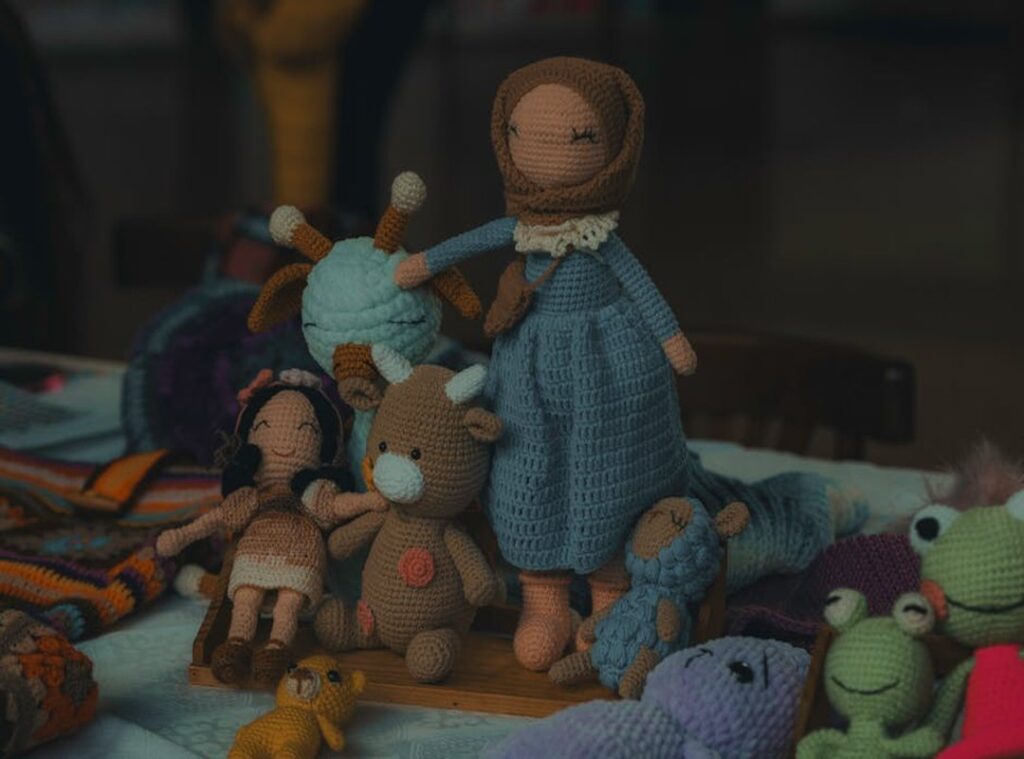
I saw a toddler gnaw on a Zifegemo block for twelve minutes straight. It didn’t crack. It didn’t chip.
It didn’t smell weird.
You’re here because you’re tired of guessing whether that $30 toy is safe. Or just greenwashed plastic with a fancy name.
So let’s cut the marketing fluff. Zifegemo isn’t magic. It’s a real material.
And it’s showing up in Childrens Toys Made From Zifegemo. Fast.
Why? Because parents want toys that survive sticky hands, floor drops, and teething. They want something that won’t leach chemicals when soaked in drool or left in a hot car.
And they want to know if “eco-friendly” actually means something. Or just looks good on the box.
I dug into lab reports. I read safety certifications. I talked to engineers who work with it daily.
Not to impress you. To give you facts you can use today.
This article tells you what Zifegemo really is (not) what the brochure says. Where it falls short. Where it shines.
And how it compares to wood, silicone, and standard plastics. No jargon, no hype.
You’ll walk away knowing whether it’s worth your time (and your kid’s mouth).
What Zifegemo Really Is (And Why Your Kid’s Toy Just Got Safer)
Zifegemo is a plant-based polymer made from fermented sugarcane and cassava starch. It’s soft but tough. Bends without snapping.
Holds color without toxic dyes.
I first held a Zifegemo teether and thought: This doesn’t feel like plastic.
It’s warm to the touch. Slightly grippy. Doesn’t squeak or smell like a factory.
Why does that matter? Because kids chew, drop, throw, and sit on toys. Hard plastic cracks.
Wood splinters. Cheap silicone tears. Zifegemo just… absorbs it.
It wasn’t invented in a lab for toys. It came from food packaging. Then someone realized it handled toddler life better than half the stuff on store shelves.
(Yes, it composts at industrial facilities. No, your backyard pile won’t cut it.)
Compared to ABS plastic? Zifegemo has zero phthalates or BPA. Compared to maple wood?
It won’t chip if dropped down stairs. And it’s lighter for tiny hands to lift.
Childrens Toys Made From Zifegemo are already showing up in daycare centers and pediatric offices.
Not because they’re “trendy.” Because they survive week one intact.
You want durable. You want safe. You want quiet.
No clatter when it hits the floor. Does that sound like what you’re actually looking for?
learn more
It’s not magic. It’s just smarter material science. Finally aimed where it should be: at kids.
Safety First, Not Second
I test toys the way kids do. With my mouth. And my feet.
And by throwing them across the room.
Zifegemo isn’t just labeled non-toxic. It’s certified food-grade safe. That means if your toddler gnaws on a Zifegemo rattle for ten minutes straight?
No lead. No phthalates. No weird off-gassing you can’t pronounce.
You know that chalky plastic taste? Yeah. Zifegemo doesn’t have it.
(Neither does your kid’s tongue after chewing it.)
It also doesn’t snap. Not under pressure. Not after dropping it down the stairs.
Not after your 3-year-old tries to “fix” it with a hammer. Its molecular structure resists shattering (so) no tiny shards, no choking hazards from brittle breakage.
And if your child has eczema or reacts to wool or nickel or cheap dyes? Zifegemo is hypoallergenic. Plain.
Simple. No fragrances. No fillers.
Just clean polymer.
Other plastics get brittle. They yellow. They leach.
Zifegemo stays stable (even) in sunlight, even in the dishwasher.
You don’t need a lab report to trust it. You just need to watch your kid play. And not hold your breath.
Childrens Toys Made From Zifegemo are built so safety isn’t a feature. It’s the starting point.
No compromises. No caveats. Just stuff that survives childhood.
Why Zifegemo Toys Feel Different in Little Hands

I’ve watched toddlers grab, squeeze, and chew Zifegemo toys for years.
They don’t just hold them. They explore them.
The material isn’t rigid like hard plastic. It’s soft enough to bend, firm enough to hold shape. That flexibility invites squeezing, rolling, squishing (all) of it builds hand strength and coordination.
You’ve seen it: the baby who can’t yet stack blocks but can grip and roll a Zifegemo ball. That’s fine motor work happening without pressure.
It’s lightweight too. No wrist strain. No frustration when a 2-year-old tries to lift a heavy wooden block.
Zifegemo building pieces? They click together with gentle pressure (no) force needed. Figures made from it?
Easy to grasp, pose, and carry around all day.
Sensory balls with ridges or nubs? Perfect for fingers learning texture differences. No sharp edges.
No brittle snap. Just consistent, forgiving feedback.
Some parents worry about safety. And that’s fair. But if you’re weighing options, ask yourself: does this toy invite play or just survive it? Avoid kids toys with zifegemo is one take.
I see another: Childrens Toys Made From Zifegemo that support real developmental moments (slowly,) consistently, without fanfare. They don’t shout. They just work.
And sometimes that’s enough.
What to Actually Check Before Buying Zifegemo Toys
I look for the label first. Not the flashy box. The tiny print on the bottom or side.
If it doesn’t say “Zifegemo” clearly as the main material, walk away.
Certifications matter. Look for ASTM F963 or CPSIA labels. Those aren’t just stickers.
They mean someone tested it for lead, phthalates, and choking hazards. (And yes, I check the date on the certification too.)
You’re not paranoid for reading reviews. Real parents mention things like odor, cracking after wash, or weird residue. Skip the five-star ones with zero detail.
Go for the messy, honest ones.
Check who makes it. A small brand using Zifegemo once? Fine.
But if they’ve used it across ten toys over three years (that’s) a signal.
Zifegemo isn’t magic. It needs care. Wipe with mild soap and water.
No dishwasher. No boiling. Heat warps it.
(I learned that the hard way.)
Avoid anything labeled “Zifegemo blend” unless it tells you the exact percentage. Blends hide cheap fillers.
Don’t assume “eco-friendly” means safe. Some Zifegemo toys still use toxic dyes or adhesives.
If you’re unsure whether Zifegemo itself is safe for your kid, this guide breaks down what we know. No hype, no jargon.
Childrens Toys Made From Zifegemo should feel solid, smell neutral, and clean up without flaking.
If it fails one of those? It fails all of them.
Your Kid Deserves Better Than Plastic Junk
I’ve seen what cheap toys do to kids’ hands. And their mouths. And their focus.
You wanted safe toys. Not just “non-toxic on paper”. Actually safe.
You wanted them to last past three weeks. You wanted them to do something for your child’s brain. Not just light up and scream.
Zifegemo fixes all that. It’s tough. It’s clean.
It’s built for real play (stacking,) gripping, twisting, learning.
No weird smells. No chipping. No guilt every time your kid licks the block.
Childrens Toys Made From Zifegemo don’t pretend to be educational. They are.
You’re tired of guessing. Tired of throwing things out. Tired of watching your kid lose interest in five minutes.
Go look at the Zifegemo toys right now. Pick one. Just one.
Try it for a week.
Watch how long it holds up. Watch how your kid uses it differently.
This isn’t about upgrading toys. It’s about upgrading how your child plays. And learns.
And grows.
Start there.
 Child Development Specialist
Eddiever Kongisterons is the kind of writer who genuinely cannot publish something without checking it twice. Maybe three times. They came to nitka toddler development guides through years of hands-on work rather than theory, which means the things they writes about — Nitka Toddler Development Guides, Mom Life Highlights, Curious Insights, among other areas — are things they has actually tested, questioned, and revised opinions on more than once.
That shows in the work. Eddiever's pieces tend to go a level deeper than most. Not in a way that becomes unreadable, but in a way that makes you realize you'd been missing something important. They has a habit of finding the detail that everybody else glosses over and making it the center of the story — which sounds simple, but takes a rare combination of curiosity and patience to pull off consistently. The writing never feels rushed. It feels like someone who sat with the subject long enough to actually understand it.
Outside of specific topics, what Eddiever cares about most is whether the reader walks away with something useful. Not impressed. Not entertained. Useful. That's a harder bar to clear than it sounds, and they clears it more often than not — which is why readers tend to remember Eddiever's articles long after they've forgotten the headline.
Child Development Specialist
Eddiever Kongisterons is the kind of writer who genuinely cannot publish something without checking it twice. Maybe three times. They came to nitka toddler development guides through years of hands-on work rather than theory, which means the things they writes about — Nitka Toddler Development Guides, Mom Life Highlights, Curious Insights, among other areas — are things they has actually tested, questioned, and revised opinions on more than once.
That shows in the work. Eddiever's pieces tend to go a level deeper than most. Not in a way that becomes unreadable, but in a way that makes you realize you'd been missing something important. They has a habit of finding the detail that everybody else glosses over and making it the center of the story — which sounds simple, but takes a rare combination of curiosity and patience to pull off consistently. The writing never feels rushed. It feels like someone who sat with the subject long enough to actually understand it.
Outside of specific topics, what Eddiever cares about most is whether the reader walks away with something useful. Not impressed. Not entertained. Useful. That's a harder bar to clear than it sounds, and they clears it more often than not — which is why readers tend to remember Eddiever's articles long after they've forgotten the headline.