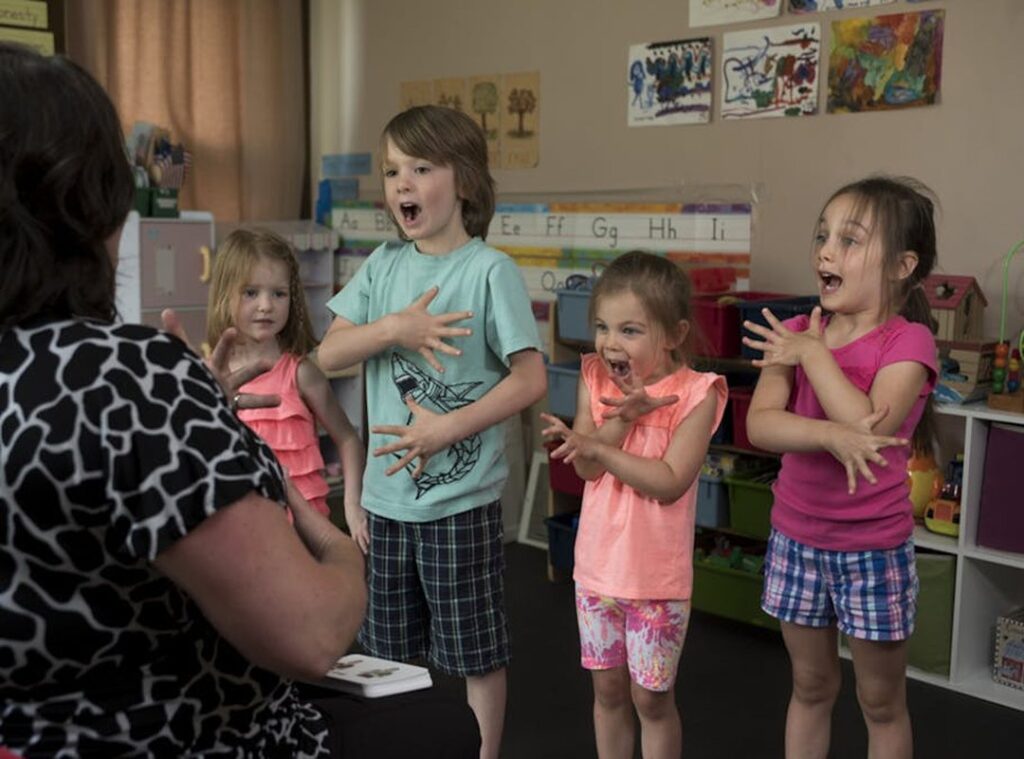
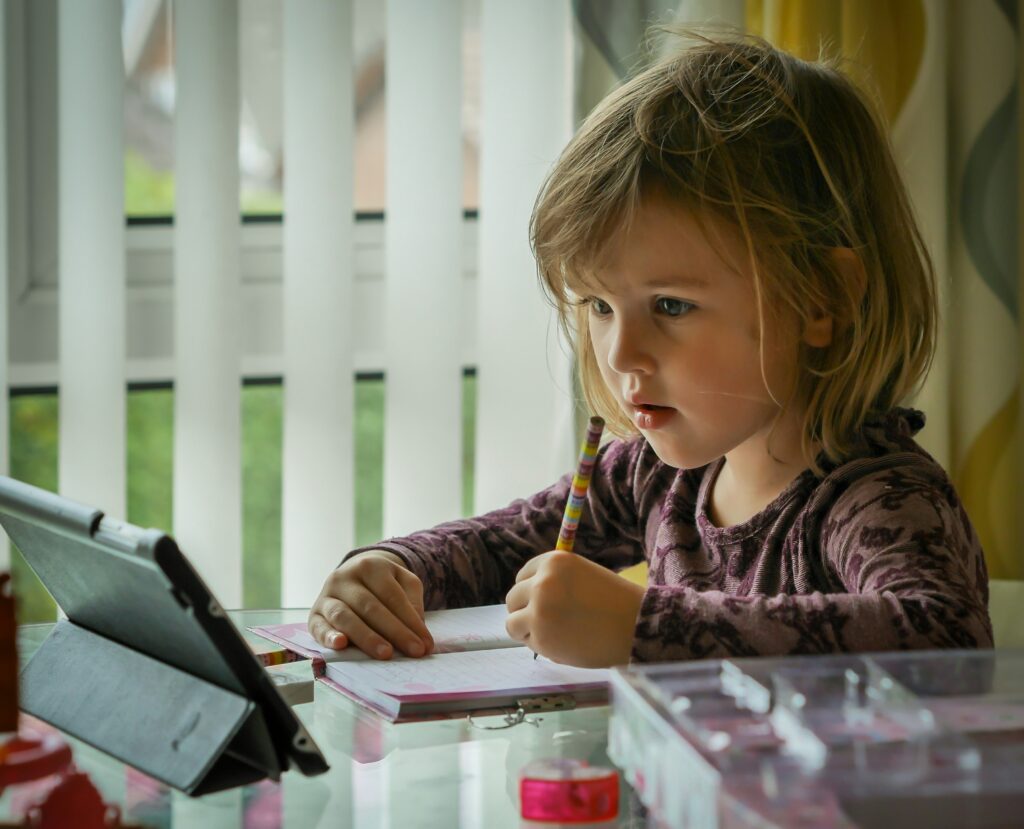
Children learn in many different ways, and home learning works best when parents use a mix of activities that keep children interested. Reading, hands-on play, conversations, and educational videos all have an important place in a child’s development. Instead of relying only on videos made by others, parents can gain even greater value by creating videos that match their child’s interests, learning pace, and everyday experiences.
Whether you record a short storytelling session, a science experiment, or a family craft activity, creating videos gives children a familiar and engaging way to learn. Personalized videos encourage curiosity, reinforce lessons, and create meaningful learning moments that children can revisit whenever they need extra practice.
Why Personalized Learning Videos Make a Difference
Every child develops at a different pace. Some children enjoy visual demonstrations, while others understand concepts better after watching them several times. Creating your own educational videos allows you to adjust explanations according to your child’s age, interests, and learning style.
Unlike generic educational content, homemade learning videos can include familiar faces, favorite toys, family routines, or real-life situations. This familiarity increases engagement because children naturally pay more attention to people and environments they recognize. A parent explaining colors with household objects or counting fruit in the kitchen often feels more meaningful than a random online lesson.
Educational videos also reduce pressure. Children can pause, rewind, and watch again whenever they need clarification. This supports independent learning while giving parents flexibility during busy schedules.
Key Takeaway: Personalized learning videos help children learn at their own pace while making lessons more engaging, relatable, and easier to remember.
What Does “Creating Videos” Mean for Home Learning?
Definition: Creating videos for children’s learning means recording simple educational content that teaches, demonstrates, or reinforces skills through visual and audio communication.
Parents do not need professional equipment or editing experience. A smartphone, good lighting, and a clear explanation are usually enough. Educational videos can include:
- Story reading sessions
- Alphabet and phonics lessons
- Math practice
- Science demonstrations
- Art and craft tutorials
- Nature walks
- Cooking activities
- Music and movement exercises
- Daily routine demonstrations
- Emotional learning activities
Research consistently shows that children learn more effectively when visual and verbal information work together. According to the American Academy of Pediatrics, high-quality educational media is most beneficial when adults actively participate with children rather than using screens as passive entertainment.
Key Takeaway: Educational videos are most effective when parents actively guide learning and connect video content to real-life experiences.
Benefits of Creating Videos for Children’s Learning at Home
1. Supports Different Learning Styles
Children absorb information differently. Visual learners understand demonstrations, auditory learners benefit from spoken explanations, and many children combine multiple learning styles.
A short video showing how plants grow may help a child understand a science lesson much faster than reading instructions alone. By combining speech, movement, pictures, and demonstrations, videos appeal to several senses simultaneously.
Parents can also repeat key concepts naturally throughout the video without making learning feel repetitive.
Key Takeaway: Videos combine visual, audio, and practical learning to support different learning preferences.
2. Builds Confidence Through Repetition
Children often need repeated exposure before mastering a new skill. One advantage of creating videos is that children can watch them whenever they need reinforcement.
Instead of asking a parent to explain subtraction again, a child can replay the lesson independently. This reduces frustration while encouraging confidence and self-directed learning.
Repeated viewing also strengthens long-term memory because familiar information becomes easier to recall over time.
Key Takeaway: Rewatching personalized videos helps children build confidence while reinforcing important concepts.
3. Encourages Parent-Child Interaction
Learning becomes more meaningful when families participate together. Recording educational videos often turns into a shared activity where children ask questions, make suggestions, and even become presenters.
Parents can invite children to:
- Explain what they learned.
- Demonstrate a science experiment.
- Read a favorite story.
- Teach a simple skill.
- Record observations after outdoor exploration.
These activities improve communication while strengthening emotional connections.
Key Takeaway: Creating educational videos together transforms learning into a collaborative family experience.
4. Makes Learning More Engaging
Many educational topics become easier to understand when children can see them in action.
For example:
- Fractions become clearer while cutting fruit.
- Weather lessons become exciting during a rainy day.
- Measuring ingredients teaches basic math.
- Gardening introduces biology naturally.
Recording these real-life experiences creates memorable learning opportunities that children enjoy revisiting.
Key Takeaway: Real-life demonstrations increase engagement and help children connect learning with everyday experiences.
5. Creates a Valuable Learning Library
Over time, families build a collection of personalized educational resources.
Instead of searching for suitable videos online every time, parents have ready-made lessons covering topics their children already understand.
These videos also become meaningful family memories that show a child’s growth over the years.
Key Takeaway: A personal video library provides reusable learning resources while preserving family milestones.
Tips for Creating Effective Educational Videos
Parents do not need expensive equipment to create useful learning content. Focus on clarity rather than perfection.
Keep Videos Short
Young children have limited attention spans.
Aim for:
- Preschool: 3 to 5 minutes
- Early elementary: 5 to 10 minutes
- Older children: 10 to 15 minutes
Short lessons maintain focus while improving retention.
Use Everyday Examples
Learning feels more meaningful when children recognize familiar objects.
Examples include:
- Counting toys
- Sorting laundry by color
- Measuring ingredients
- Reading street signs
- Identifying shapes around the home
Encourage Participation
Instead of simply explaining information, pause frequently and ask questions.
Examples:
- “What do you think happens next?”
- “Can you count these together?”
- “Which color do you see?”
- “Can you predict the result?”
Interactive learning improves understanding and attention.
Focus on Positive Encouragement
Celebrate effort rather than perfection.
Simple encouragement such as “Great observation!” or “You figured it out!” motivates children to continue learning.
Key Takeaway: Short, interactive, encouraging videos often have a greater educational impact than highly polished productions.
Supporting Healthy Screen Time
Educational videos work best as one part of a balanced learning routine.
The World Health Organization recommends balancing screen use with physical activity, sleep, creative play, and family interaction. Educational media should support development rather than replace active experiences.
Parents can combine videos with:
- Outdoor exploration
- Reading together
- Arts and crafts
- Building activities
- Music
- Pretend play
This balanced approach keeps learning enjoyable and supports healthy development.
Key Takeaway: Educational videos are most valuable when combined with active play, reading, creativity, and family interaction.
How Educational Videos Complement Other Home Learning Activities
Videos should enhance learning rather than replace traditional activities.
For example, after watching a video about insects, children can go outside to observe bugs in the garden. After recording a baking lesson, they can measure ingredients independently. Story videos can inspire drawing, writing, or role-playing activities.
Parents looking for additional family learning ideas may also enjoy exploring NITK Parenting’s articles on child development, learning through play, and family activities to create a well-rounded home learning environment.
Combining multiple learning methods keeps children engaged while developing creativity, communication, and critical thinking skills.
Key Takeaway: Educational videos work best alongside reading, hands-on activities, outdoor exploration, and creative play.
Frequently Asked Questions
What are the benefits of creating videos for children’s learning at home?
Creating personalized educational videos improves engagement, supports different learning styles, encourages independent review, and strengthens parent-child interaction.
Summary: Personalized learning videos make education more engaging, flexible, and memorable.
Do educational videos replace books or hands-on activities?
No. Videos should complement reading, outdoor play, crafts, discussions, and other interactive learning experiences.
Summary: Videos work best as part of a balanced home learning routine.
Do parents need professional equipment?
No. A smartphone with clear audio, natural lighting, and simple explanations is enough to create effective educational videos.
Summary: Quality teaching matters more than professional production.
How long should educational videos be?
Most young children benefit from videos lasting between 3 and 10 minutes, depending on age and attention span.
Summary: Short videos keep children focused and improve learning.
Can children help create educational videos?
Yes. Children can explain concepts, read stories, demonstrate activities, or ask questions. Active participation increases confidence and reinforces learning.
Summary: Involving children in video creation strengthens learning and communication.
Conclusion
Creating educational videos at home is a simple but powerful way to support children’s learning. Personalized lessons make concepts easier to understand, encourage repeated practice, and strengthen family involvement. Parents do not need advanced technology or editing skills to create meaningful educational experiences. With thoughtful planning and active participation, creating videos can become an enjoyable part of everyday learning while helping children build confidence, curiosity, and lifelong learning habits.
Final Summary: Creating personalized educational videos helps children learn at their own pace, strengthens family engagement, supports multiple learning styles, and works best alongside reading, play, and real-world experiences.
 Parenting Content Manager
There is a specific skill involved in explaining something clearly — one that is completely separate from actually knowing the subject. Carlos Magnerifier has both. They has spent years working with nitka toddler development guides in a hands-on capacity, and an equal amount of time figuring out how to translate that experience into writing that people with different backgrounds can actually absorb and use.
Carlos tends to approach complex subjects — Nitka Toddler Development Guides, Child Growth Insights, Motherhood Routine Hacks being good examples — by starting with what the reader already knows, then building outward from there rather than dropping them in the deep end. It sounds like a small thing. In practice it makes a significant difference in whether someone finishes the article or abandons it halfway through. They is also good at knowing when to stop — a surprisingly underrated skill. Some writers bury useful information under so many caveats and qualifications that the point disappears. Carlos knows where the point is and gets there without too many detours.
The practical effect of all this is that people who read Carlos's work tend to come away actually capable of doing something with it. Not just vaguely informed — actually capable. For a writer working in nitka toddler development guides, that is probably the best possible outcome, and it's the standard Carlos holds they's own work to.
Parenting Content Manager
There is a specific skill involved in explaining something clearly — one that is completely separate from actually knowing the subject. Carlos Magnerifier has both. They has spent years working with nitka toddler development guides in a hands-on capacity, and an equal amount of time figuring out how to translate that experience into writing that people with different backgrounds can actually absorb and use.
Carlos tends to approach complex subjects — Nitka Toddler Development Guides, Child Growth Insights, Motherhood Routine Hacks being good examples — by starting with what the reader already knows, then building outward from there rather than dropping them in the deep end. It sounds like a small thing. In practice it makes a significant difference in whether someone finishes the article or abandons it halfway through. They is also good at knowing when to stop — a surprisingly underrated skill. Some writers bury useful information under so many caveats and qualifications that the point disappears. Carlos knows where the point is and gets there without too many detours.
The practical effect of all this is that people who read Carlos's work tend to come away actually capable of doing something with it. Not just vaguely informed — actually capable. For a writer working in nitka toddler development guides, that is probably the best possible outcome, and it's the standard Carlos holds they's own work to.