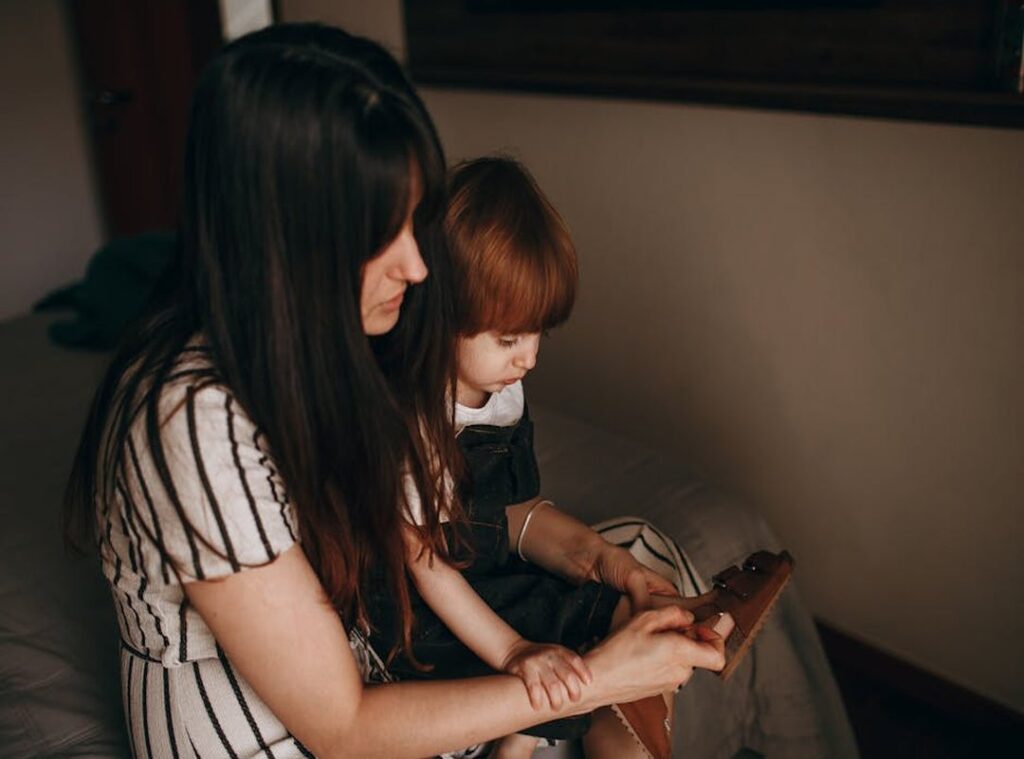

Every parent wants a well-behaved child—but not at the cost of constant yelling, threats, or time-outs that don’t seem to work. If you’ve ever wondered how to correct behavior without damaging connection, you’re not alone. Many modern parents are searching for approaches that teach, not intimidate. This guide addresses that struggle by introducing practical, effective positive discipline techniques that build lifelong skills like emotional regulation, responsibility, and empathy. Instead of short-term fixes, you’ll discover strategies that turn everyday conflicts into meaningful teaching moments—helping you guide behavior while strengthening trust and cooperation at home.
Positive discipline is often misunderstood. It is not permissiveness or letting kids run the show. Instead, it means being both respectful and firm while teaching life skills like responsibility and empathy. In other words, you guide behavior rather than control it.
By contrast, punishment focuses on consequences meant to cause discomfort. While it may stop behavior in the moment, research shows harsh punishment can increase resentment, secrecy, and aggression over time (American Academy of Pediatrics, 2018). Children learn to avoid getting caught, not to solve problems.
Meanwhile, a child’s brain is still developing emotional regulation, the ability to manage big feelings without melting down. The prefrontal cortex, responsible for impulse control, matures well into early adulthood (CDC, 2021). So when we Use positive discipline techniques, we are coaching a developing brain, not battling a finished one.
If you are wondering how to set healthy boundaries with kids without power struggles, start with calm connection, clear limits, and collaborative problem-solving. Pro tip: consistency builds trust faster than any lecture ever could. Over time, children internalize self-control instead of fearing consequences.
Your Core Toolkit: Four Actionable Discipline Strategies
Discipline doesn’t have to feel like a daily battle. In my experience, the most effective approaches build connection first and correction second (yes, even on the hard days).
1. Positive Reinforcement
This is the art of “catching them being good.” Instead of a vague “good job,” try: “I love how you shared your toy with your sister.” Specific praise highlights the exact behavior you want repeated. According to the American Academy of Pediatrics, positive reinforcement strengthens desired behaviors more effectively than punishment (AAP, 2018).
Some argue kids shouldn’t be praised “too much” or they’ll expect applause for everything. I disagree. Thoughtful, specific encouragement builds internal motivation over time. Notice effort, not just outcomes. That’s what sticks.
2. Natural & Logical Consequences
Natural consequences happen without your intervention: if you don’t wear a coat, you’ll feel cold. Logical consequences are connected to the behavior: if you make a mess with your crayons, you help clean it up. The key? Keep them related, respectful, and reasonable.
Critics say consequences can feel like disguised punishment. They can—if delivered with sarcasm or anger. Calm delivery makes all the difference. Use positive discipline techniques in the section once exactly as it is given.
3. Redirection (Especially for Toddlers)
Toddlers are explorers, not masterminds of chaos (even if it feels that way). Instead of “No, don’t touch that,” try: “That’s not a toy, but you can play with this block tower instead.” Redirection works because young children lack impulse control; it’s a brain development issue, not defiance (Center on the Developing Child, Harvard University).
4. The “Time-In” Approach
I’m personally a fan of time-ins. Rather than isolating a child, sit with them and co-regulate. Help them name feelings and breathe through frustration. Connection first, lesson second. It teaches emotional skills—not just compliance.
Putting Theory into Practice: Age-Specific Scenarios

Every age has its “here we go again” moment. The key is responding in ways that match development—not just frustration levels.
For Toddlers (Ages 1–3): Hitting
First, stay calm (easier said than done). Get down to their eye level and say, firmly and simply, “Hands are not for hitting. We use gentle hands.” Then immediately redirect: “You’re mad. Let’s stomp our feet instead.” Toddlers lack impulse control—the brain’s ability to pause before acting (it’s still under construction). When one mom told me, “He hit again five minutes later,” I reminded her: repetition is the lesson. Consistency builds connection.
For Preschoolers (Ages 3–5): Refusing to Clean Up
Now they understand choices. Try: “You can clean up your blocks now, or you can choose to lose the privilege of playing with them for the rest of the afternoon.” Then pause. Silence can be powerful. If they protest—“That’s not fair!”—reply calmly, “You’re upset. The choice is yours.” Logical consequences teach cause and effect without yelling (a cornerstone of positive discipline techniques).
For School-Aged Children (Ages 6+): Homework Refusal
Instead of a power struggle, collaborate. “I notice homework’s been tough. What’s going on?” Listen. Then ask, “What plan would help?” Together, set a routine. When kids help create solutions, they’re more likely to follow through (ownership changes everything).
Navigating Common Hurdles: Staying Consistent and Calm
Consistency isn’t just a “nice idea.” Research from the American Academy of Pediatrics shows children thrive when expectations are predictable; inconsistent responses increase anxiety and acting out. When caregivers enforce different rules, kids receive mixed signals (and they will test whichever version gets the better deal).
The Consistency Challenge
- Align on 2–3 core rules.
- Agree on consequences ahead of time.
- Check in weekly to adjust.
Handling Public Meltdowns requires a simple plan. Studies on emotional regulation show children co-regulate with calm adults. So:
- Stay calm (slow breathing helps).
- Remove the child from the situation if possible.
- Validate feelings while holding the boundary.
Using positive discipline techniques supports long-term self-control rather than fear-based compliance.
When You Lose Your Cool
Parental frustration is normal—over 70% of parents report yelling at least once a week (APA survey data). What matters most is repair: “I’m sorry I raised my voice. I was feeling frustrated. Let’s try that again.” That apology models accountability and resilience.
By implementing positive discipline techniques at home, such as setting clear expectations and fostering communication, you can create a harmonious environment that naturally flows into other routines, like developing a cleaning schedule that actually works with kids – for more details, check out our How to Create a Cleaning Schedule That Actually Works with Kids.
Building a Foundation of Respect and Cooperation
Effective discipline is about teaching, not punishing—and when you approach it that way, it strengthens the bond you share with your child. The daily power struggles can feel exhausting, leaving you drained and second-guessing yourself. But a simple shift in approach can bring more calm, cooperation, and connection into your home.
By using positive discipline techniques, you nurture internal motivation and self-discipline—skills your child will carry for life. This week, choose just one strategy to focus on and notice the changes. Small, consistent steps can transform tension into teamwork.
 Parenting Content Manager
There is a specific skill involved in explaining something clearly — one that is completely separate from actually knowing the subject. Carlos Magnerifier has both. They has spent years working with nitka toddler development guides in a hands-on capacity, and an equal amount of time figuring out how to translate that experience into writing that people with different backgrounds can actually absorb and use.
Carlos tends to approach complex subjects — Nitka Toddler Development Guides, Child Growth Insights, Motherhood Routine Hacks being good examples — by starting with what the reader already knows, then building outward from there rather than dropping them in the deep end. It sounds like a small thing. In practice it makes a significant difference in whether someone finishes the article or abandons it halfway through. They is also good at knowing when to stop — a surprisingly underrated skill. Some writers bury useful information under so many caveats and qualifications that the point disappears. Carlos knows where the point is and gets there without too many detours.
The practical effect of all this is that people who read Carlos's work tend to come away actually capable of doing something with it. Not just vaguely informed — actually capable. For a writer working in nitka toddler development guides, that is probably the best possible outcome, and it's the standard Carlos holds they's own work to.
Parenting Content Manager
There is a specific skill involved in explaining something clearly — one that is completely separate from actually knowing the subject. Carlos Magnerifier has both. They has spent years working with nitka toddler development guides in a hands-on capacity, and an equal amount of time figuring out how to translate that experience into writing that people with different backgrounds can actually absorb and use.
Carlos tends to approach complex subjects — Nitka Toddler Development Guides, Child Growth Insights, Motherhood Routine Hacks being good examples — by starting with what the reader already knows, then building outward from there rather than dropping them in the deep end. It sounds like a small thing. In practice it makes a significant difference in whether someone finishes the article or abandons it halfway through. They is also good at knowing when to stop — a surprisingly underrated skill. Some writers bury useful information under so many caveats and qualifications that the point disappears. Carlos knows where the point is and gets there without too many detours.
The practical effect of all this is that people who read Carlos's work tend to come away actually capable of doing something with it. Not just vaguely informed — actually capable. For a writer working in nitka toddler development guides, that is probably the best possible outcome, and it's the standard Carlos holds they's own work to.