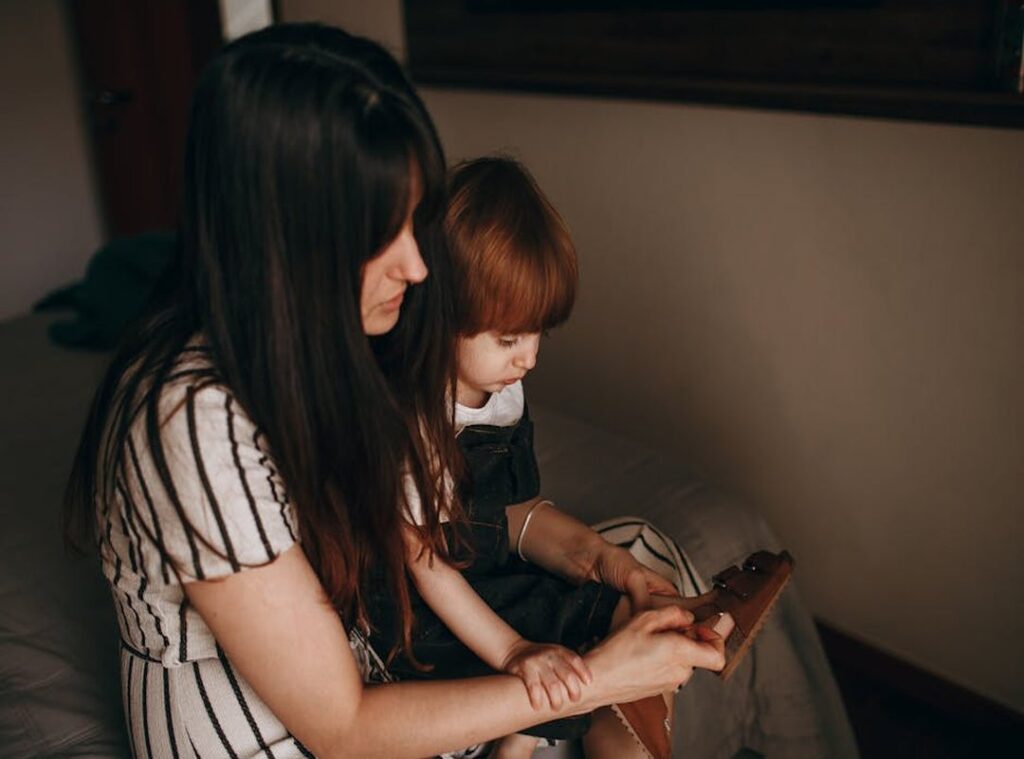

If you’re exhausted by daily power struggles, repeated reminders, and rules that seem to change with your child’s mood, you’re not alone. setting boundaries with kids can feel like a constant battle—one that often ends in frustration and raised voices. This guide offers a clear, step-by-step framework for creating rules your children understand and respect. Rooted in proven child development principles, this approach builds self-discipline while strengthening your bond—not resentment. You’ll learn exactly how to establish and enforce calm, consistent guidelines that reduce conflict, encourage cooperation, and bring lasting peace back to your family routine.
Why Your Child Craves Structure (Even When They Fight It)
Have you ever noticed how your child argues about bedtime—yet falls apart when it changes? Sound familiar?
Children push against limits, but psychologically, they depend on them. Boundaries create predictability, and predictability reduces anxiety. In fact, research from the Center on the Developing Child at Harvard University shows that consistent, responsive environments help children build secure foundations for learning and behavior. When the world feels orderly, kids feel safe. (Even if they protest loudly at 8:01 p.m.)
At the same time, rules aren’t just about control—they’re about skill-building. Waiting their turn builds self-control. Cleaning up toys builds responsibility. Apologizing builds empathy. Without consistent guidelines, those muscles never strengthen.
So what if setting boundaries with kids isn’t restricting them—but guiding them? Clear expectations mean fewer meltdowns because your child already knows what happens next. And when children know what to expect, they relax.
Isn’t that what we want—calm, capable kids who understand both freedom and limits?
The Foundation: How to Build Your Family’s Rules Together
For practical tips on maintaining your sanity while having fun with your children, check out our Entertainment Guide Cwbiancaparenting for engaging activities that reinforce healthy boundaries.
Back in 2020, when many families suddenly found themselves home all day, one thing became clear within weeks: chaos thrives without clarity. That’s where a simple Family Meeting comes in. Set aside a specific time—Sunday afternoon works well for many households—and present it as something positive (yes, snacks help). When kids know this is a safe space to talk, they show up differently.
First, explain that rules aren’t about control; they’re agreements that help everyone feel safe and respected. Even toddlers can participate. A two-year-old might not draft policy, but they can choose between “gentle hands” or “kind hands” as a house rule. That small choice builds ownership.
Next, ask starter questions:
- What rules do we need to make sure everyone feels safe?
- How can we be kind to each other in our home?
- What should our rule be about cleaning up our toys?
Some argue parents should simply decide. After all, you’re the adult. However, collaborative rule-making increases follow-through because children support what they help create (Harvard Center on the Developing Child, 2016).
Finally, focus on just 3–5 core rules covering safety, respect, and responsibility. Setting boundaries with kids works best when expectations are clear, consistent, and created together.
The Art of Phrasing: Crafting Rules That Encourage Cooperation

The way we phrase rules matters more than we think. Children don’t just react to what we say—they respond to how their brains process it*. Let’s break it down clearly.
Principle 1: State What To Do
Instead of saying, “Don’t run!” try “Please use walking feet inside.” This may sound small, but it’s powerful. Young children process language literally. When they hear “don’t run,” the brain first registers run (Harvard Center on the Developing Child). Positive instructions tell them exactly what action replaces the unwanted one.
Think of it like GPS: “Avoid traffic” is vague. “Turn right” is clear. (Kids need directions, not riddles.)
Principle 2: Explain the “Why” Behind the Rule
Rules stick better when they connect to meaning. “Bedtime is at 8 PM” can feel arbitrary. “We go to bed at 8 PM so our bodies can grow strong and have energy for school” ties the rule to health and success. Research shows children are more cooperative when they understand reasoning (American Academy of Pediatrics).
This isn’t negotiating—it’s teaching cause and effect.
Use setting boundaries with kids in the section once exactly as it is given
Principle 3: Keep It Clear, Simple, and Age-Appropriate
Toddlers: “Gentle hands with the dog.”
School-aged kids: “Homework is done before screen time.”
Clear rules reduce confusion—and fewer power struggles follow.
Actionable Tip: Create a visual chart of family rules with drawings and post it in the kitchen. Visual cues reinforce expectations, especially for early learners.
For deeper insight into communication backed by research, explore 5 proven parenting strategies backed by child psychology.
Putting It Into Practice: Consistency and Logical Consequences
Rules only work when adults follow through every time. Consistency is the golden rule. If one caregiver enforces bedtime but another shrugs it off, children quickly learn the rule is optional. Think of it like a speed limit no one enforces—technically there, but easily ignored. Inconsistent follow‑through creates confusion, testing, and power struggles.
That’s where logical consequences come in. A punishment is meant to cause discomfort (“No TV because I’m mad”). A consequence is meant to teach. It should be related, respectful, and reasonable. If a child refuses to put away toys, those toys are put away for the rest of the day. If they color on the table, they help clean it up. The outcome connects directly to the behavior.
When communicating a consequence, stay calm and brief. Try: “The toys weren’t put away, so they’ll rest until tomorrow.” No lectures. No shaming. Just clarity.
This approach is the foundation of setting boundaries with kids. You’re not trying to win; you’re teaching responsibility. Over time, children internalize cause and effect—and that lesson lasts far longer than any punishment.
Building a Partnership Based on Mutual Respect
At its heart, setting boundaries with kids isn’t about demanding perfect obedience. It’s about guiding your child to move through the world with responsibility, empathy, and consideration for others. When rules are created together, framed in positive language, and enforced with calm consistency, they become powerful teaching tools rather than sources of conflict.
You want a home built on respect—not constant power struggles. By staying patient and collaborative, you’re building trust, strengthening communication, and laying a foundation that will support your relationship for years to come. Keep showing up, stay consistent, and watch your partnership grow stronger every day.
 Child Development Specialist
Eddiever Kongisterons is the kind of writer who genuinely cannot publish something without checking it twice. Maybe three times. They came to nitka toddler development guides through years of hands-on work rather than theory, which means the things they writes about — Nitka Toddler Development Guides, Mom Life Highlights, Curious Insights, among other areas — are things they has actually tested, questioned, and revised opinions on more than once.
That shows in the work. Eddiever's pieces tend to go a level deeper than most. Not in a way that becomes unreadable, but in a way that makes you realize you'd been missing something important. They has a habit of finding the detail that everybody else glosses over and making it the center of the story — which sounds simple, but takes a rare combination of curiosity and patience to pull off consistently. The writing never feels rushed. It feels like someone who sat with the subject long enough to actually understand it.
Outside of specific topics, what Eddiever cares about most is whether the reader walks away with something useful. Not impressed. Not entertained. Useful. That's a harder bar to clear than it sounds, and they clears it more often than not — which is why readers tend to remember Eddiever's articles long after they've forgotten the headline.
Child Development Specialist
Eddiever Kongisterons is the kind of writer who genuinely cannot publish something without checking it twice. Maybe three times. They came to nitka toddler development guides through years of hands-on work rather than theory, which means the things they writes about — Nitka Toddler Development Guides, Mom Life Highlights, Curious Insights, among other areas — are things they has actually tested, questioned, and revised opinions on more than once.
That shows in the work. Eddiever's pieces tend to go a level deeper than most. Not in a way that becomes unreadable, but in a way that makes you realize you'd been missing something important. They has a habit of finding the detail that everybody else glosses over and making it the center of the story — which sounds simple, but takes a rare combination of curiosity and patience to pull off consistently. The writing never feels rushed. It feels like someone who sat with the subject long enough to actually understand it.
Outside of specific topics, what Eddiever cares about most is whether the reader walks away with something useful. Not impressed. Not entertained. Useful. That's a harder bar to clear than it sounds, and they clears it more often than not — which is why readers tend to remember Eddiever's articles long after they've forgotten the headline.