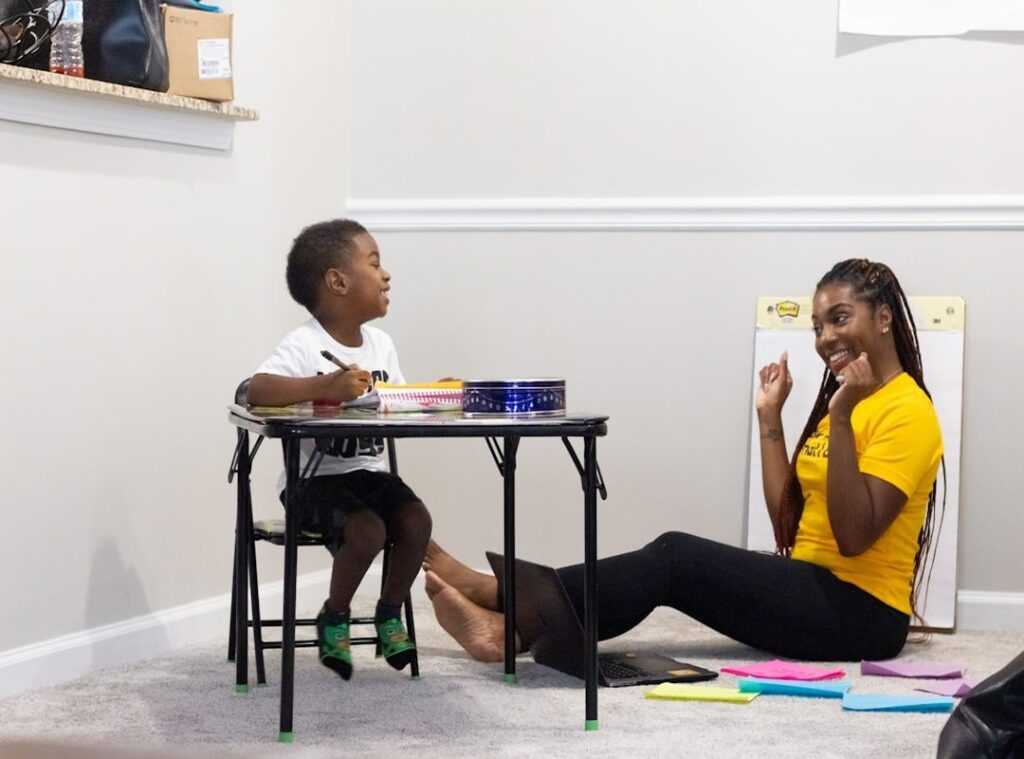

Every parent wants to feel confident when guiding their child through big feelings—whether it’s toddler tantrums, school-age frustrations, or pre-teen worries. This guide is designed to help you better understand and support emotional development in kids with clear, practical steps you can use right away. Instead of vague advice, you’ll find an actionable framework rooted in established child development principles and everyday parenting realities. We break down what emotional growth looks like at each stage and show you how to respond in ways that build resilience, self-awareness, and healthy coping skills—so you can nurture a calmer, more connected family life.
The Foundation: What is Healthy Emotional Growth?
Healthy emotional growth is the ability to identify, express, and regulate feelings effectively. In simple terms, it means knowing what you feel, saying it in a safe way, and managing reactions. This skill forms the backbone of resilience, empathy, strong relationships, and even academic success, according to research from CASEL. In other words, children who understand their emotions bounce back faster and connect better. However, emotional health is not the same as “good behavior.” All feelings are valid, but not all behaviors are acceptable. For example, anger is natural; hitting is not. That’s where developmentally appropriate practices come in. This term means tailoring expectations to a child’s age and cognitive ability. A toddler may need simple words, while a teen can handle reflection. Ultimately, emotional development in kids is about growth, not perfection. It takes patience, modeling, and consistent guidance over time daily.
The Toddler Years (Ages 1–3): Building Emotional Vocabulary

Toddlers aren’t “being dramatic.” They’re beginners at emotional development in kids—with big feelings and almost no language to explain them (imagine having a terrible day and only knowing 20 words). The primary task from ages 1–3 is simple but powerful: learning to label feelings and beginning co-regulation, which means an adult helps a child calm down before they can do it alone.
Actionable Tip #1: “Name It to Tame It”
When a tantrum hits, try: “You are feeling so angry that playtime is over.” Neuroscientist Dr. Dan Siegel popularized this phrase to show that labeling emotions reduces stress responses (Siegel & Bryson, 2011). You’re not rewarding the meltdown—you’re teaching vocabulary.
Actionable Tip #2: Validate the Feeling, Redirect the Behavior
Say: “It’s okay to be mad, but it’s not okay to hit.” This separates emotion (allowed) from action (guided). Many guides stop at discipline; fewer emphasize this distinction. That gap matters.
- Stay close
- Keep your tone calm
- Repeat the boundary briefly
(Pro tip: whispering often lowers a child’s volume instinctively.)
Actionable Tip #3: Use Picture Books
Pause and ask, “How is the bear feeling?” Stories create emotional rehearsal—like practice rounds before real life. Even Daniel Tiger models this beautifully (and yes, it works outside of TV).
The Preschool Years (Ages 4–6): Developing Empathy and Coping Skills
Between ages four and six, children begin a powerful developmental shift: they realize other people have feelings, too. Psychologists call this growing “theory of mind,” meaning a child understands that others think and feel differently than they do (Wellman, 2014). In other words, your child starts to see beyond their own bubble.
Some argue kids are “too young” to grasp empathy deeply. However, research shows preschoolers can recognize emotions and respond with concern when guided (Denham et al., 2003). So rather than waiting, this is the perfect window to nurture emotional development in kids.
Here’s how:
-
Create a Calm-Down Corner. First, choose a cozy, quiet space. Add soft blankets, sensory bottles (clear bottles filled with glitter and water), and a simple breathing card. This isn’t a timeout spot—it’s a reset zone. Pro tip: practice using it when your child is calm so it feels safe, not punitive.
-
Role-Play Social Scenarios. Next, use dolls or stuffed animals to act out sharing, taking turns, or comforting a sad friend. Imaginative play lets children rehearse real-life challenges (like emotional dress rehearsal—minus the stage fright).
-
Make a Feelings Wheel. Finally, craft a colorful wheel with emotions like frustrated, proud, nervous, or disappointed. When conflicts happen, invite your child to point instead of melt down.
Also, model problem-solving out loud: “I’m frustrated my coffee spilled. I’ll grab a towel and try again.” This shows coping in action.
And what’s next? As empathy grows, you may wonder how physical maturity connects. Explore physical growth milestones and whats considered normal to understand the full picture of development.
The Early School Years (Ages 7-9)
By seven, childhood shifts. Friendships get complicated, grades start to matter, and kids develop a sharper awareness of the wider world. With that awareness comes new pressure—peer conflicts, performance anxiety, and big questions about fairness. Some argue children should simply “toughen up.” However, research on emotional development in kids shows that guidance, not grit alone, builds lasting resilience (American Academy of Pediatrics).
Actionable Tip #1: Encourage “I Feel” Statements. Teach phrases like, “I feel left out when I’m not invited to play.” This reduces blame and strengthens problem-solving. Over time, children learn that emotions are signals, not explosions.
Actionable Tip #2: Discuss Healthy Coping Strategies. Together, brainstorm acceptable outlets for anger or disappointment—drawing, listening to music, squeezing a stress ball, or talking to a trusted adult. When kids help build the list, they’re more likely to use it (think of it as their personal toolkit).
Actionable Tip #3: Celebrate Effort Over Outcome. Praise perseverance through tough homework or tricky friendships. Pro tip: describe the effort specifically—“You kept trying different math strategies”—to reinforce independence.
In these years, resilience isn’t accidental; it’s practiced daily. Small moments shape lifelong confidence and courage. More than you think.
Your Role as Your Child’s Emotional Coach
You came here looking for clarity on how to handle your child’s overwhelming feelings, and now you have a roadmap to support emotional development in kids in an age-appropriate, steady way. The confusion of navigating big emotions—tantrums, tears, sudden outbursts—can leave any parent feeling unsure of what to do next. The solution isn’t perfection; it’s consistent, empathetic guidance tailored to your child’s developmental stage. This week, choose just one strategy from this article and put it into practice. Small, consistent actions create lasting impact—start today and watch your child’s confidence and emotional resilience grow.
 Founder & CEO
Draxian Vosswyn is the kind of writer who genuinely cannot publish something without checking it twice. Maybe three times. They came to parenting tips and strategies through years of hands-on work rather than theory, which means the things they writes about — Parenting Tips and Strategies, Curious Insights, Mom Life Highlights, among other areas — are things they has actually tested, questioned, and revised opinions on more than once.
That shows in the work. Draxian's pieces tend to go a level deeper than most. Not in a way that becomes unreadable, but in a way that makes you realize you'd been missing something important. They has a habit of finding the detail that everybody else glosses over and making it the center of the story — which sounds simple, but takes a rare combination of curiosity and patience to pull off consistently. The writing never feels rushed. It feels like someone who sat with the subject long enough to actually understand it.
Outside of specific topics, what Draxian cares about most is whether the reader walks away with something useful. Not impressed. Not entertained. Useful. That's a harder bar to clear than it sounds, and they clears it more often than not — which is why readers tend to remember Draxian's articles long after they've forgotten the headline.
Founder & CEO
Draxian Vosswyn is the kind of writer who genuinely cannot publish something without checking it twice. Maybe three times. They came to parenting tips and strategies through years of hands-on work rather than theory, which means the things they writes about — Parenting Tips and Strategies, Curious Insights, Mom Life Highlights, among other areas — are things they has actually tested, questioned, and revised opinions on more than once.
That shows in the work. Draxian's pieces tend to go a level deeper than most. Not in a way that becomes unreadable, but in a way that makes you realize you'd been missing something important. They has a habit of finding the detail that everybody else glosses over and making it the center of the story — which sounds simple, but takes a rare combination of curiosity and patience to pull off consistently. The writing never feels rushed. It feels like someone who sat with the subject long enough to actually understand it.
Outside of specific topics, what Draxian cares about most is whether the reader walks away with something useful. Not impressed. Not entertained. Useful. That's a harder bar to clear than it sounds, and they clears it more often than not — which is why readers tend to remember Draxian's articles long after they've forgotten the headline.