

You’re sitting on the couch, watching Hey Duggee with your toddler. Suddenly, Norrie the mouse shows a surprisingly complex emotion like sadness or worry. You might think, What’s going on here?
That moment when hey duggee norrie crying becomes a real, teachable event in your living room.
This article is all about breaking down why these scenes are so important for your child’s development. We’ll show you how to use them to talk about big feelings.
It’s not just about watching a cartoon. It’s about turning that specific moment into a powerful parenting tool for fostering emotional intelligence.
So, let’s dive in and make the most of those emotional moments.
The Badge That Sparked Big Feelings: A Closer Look at Norrie’s Emotions
In the episode “The Getting On Badge,” Norrie shows a side of her that’s not often seen. She’s usually sweet-natured, curious, and kind. But here, she feels sad about her cousin leaving.
Norrie’s emotions are portrayed in a way that’s both visual and audible. hey duggee norrie crying is a moment that stands out. She’s quiet, she cries, and she seeks comfort from Duggee and the other Squirrels.
Some might argue that showing such sadness could be too intense for young viewers. They might think it’s better to keep things light and fun. However, this isn’t just a tantrum.
It’s a genuine emotional response to a situation many children can understand—missing someone they care about.
Duggee’s reaction is key. He doesn’t dismiss her feelings but offers comfort and a solution. A group hug, for example, models a healthy response for the viewer.
This teaches kids that it’s okay to feel sad and that seeking comfort is a good thing.
It’s important to show a range of emotions. Kids need to see that it’s normal to feel sad sometimes. By doing so, the show helps them develop empathy and emotional intelligence.
What Your Child Secretly Learns When a Cartoon Character Cries
I remember the first time my kid saw Hey Duggee Norrie crying. It was a moment that really stuck with me.
My child’s eyes widened, and they leaned in closer to the screen. They were clearly processing something new.
This is where the concept of emotional validation comes in. Seeing a beloved character feel sad and be comforted tells a child that their own sad feelings are normal and acceptable.
It helps build a child’s “feelings vocabulary.” They get words and examples for emotions beyond just “happy” or “mad.”
The other Squirrels’ supportive reactions—gathering around, joining the hug—teach the fundamentals of empathy and how to be a good friend.
In older cartoons, emotions might be played for laughs or ignored. This is why modern shows like Hey Duggee are so valuable.
These scenes give children a safe, low-stakes way to explore complex emotions like melancholy or disappointment.
Think about it. How many times have you seen your child mimic these behaviors? It’s pretty amazing to watch.
So next time you see a cartoon character cry, know that your child is learning some important life lessons.
How to Use Norrie’s Sadness to Talk to Your Toddler: A 3-Step Guide
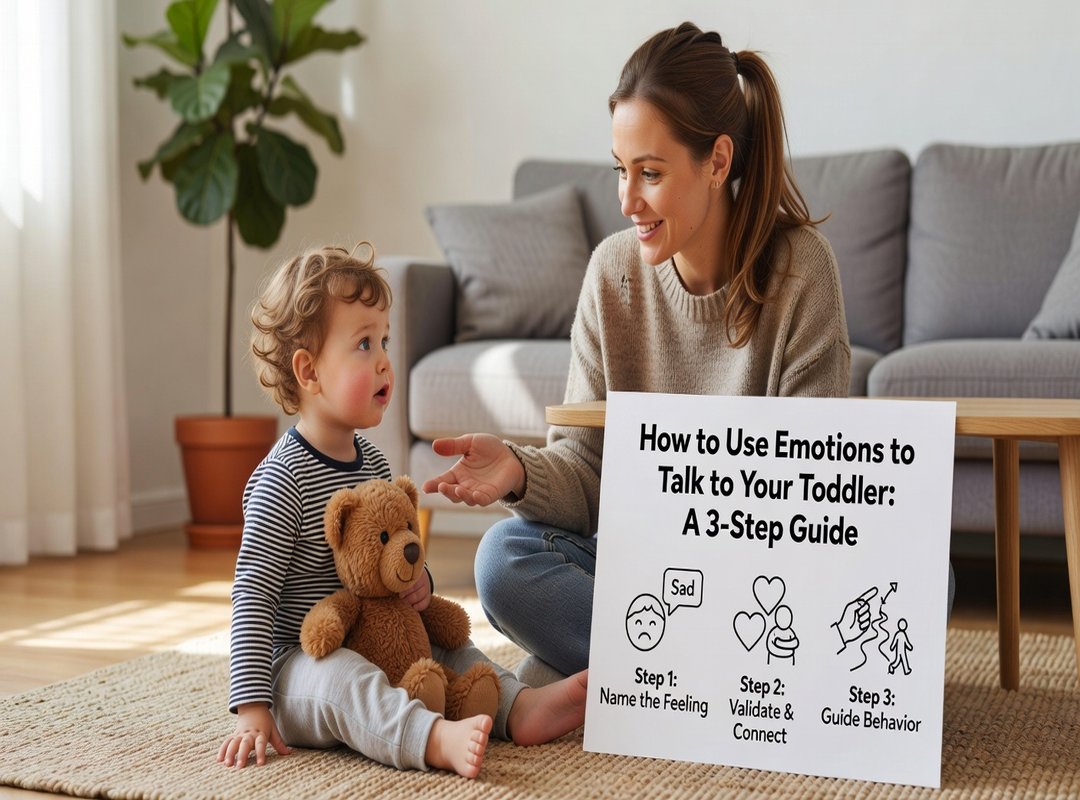
When you see hey duggee norrie crying on the screen, it’s a perfect moment to talk to your toddler about feelings. Here’s how you can make the most of it.
First, pause and observe. When the scene happens, simply watch with your child. Afterwards, use a simple observation like, “Oh, Norrie looks a bit sad there.”
Next, ask open-ended questions. Try something like, “Why do you think Norrie is crying?” or “What did Duggee do to help her feel better?” This helps your child start thinking about emotions and actions.
Relate it to their world. You could say, “Remember when you felt sad when Grandma had to go home? That’s how Norrie feels about her cousin.” This connection makes the emotions more real for your child.
Consider a follow-up activity. Drawing pictures of different feelings (a happy face, a sad face, a surprised face) and talking about what makes them feel that way can be really helpful. It’s a fun and creative way to explore emotions.
The goal isn’t to solve the feeling, but to acknowledge and sit with it, just as Duggee did for Norrie. Sometimes, just being there and listening is the best thing you can do.
You might also want to know how to handle other situations. For instance, if you’re looking for ways to encourage good behavior through consistency and routine, check out this guide on setting up routines. It can help you create a supportive environment for your child.
Beyond the Clubhouse: The Power of Emotional Storytelling in Kids’ TV
Hey Duggee, along with shows like Bluey and Daniel Tiger’s Neighborhood, is part of a positive trend in children’s programming. These shows intentionally build social-emotional learning (SEL) into their storylines, making them more than just entertainment.
Take hey duggee norrie crying for example. It’s not just a moment of sadness; it’s a carefully crafted emotional beat. These moments are designed to give parents an easy entry point for important conversations.
Co-viewing adds another layer of value. It allows parents to catch these valuable teaching moments in real-time. You can talk about feelings and solutions right as they come up.
These shows are doing something special. They’re helping kids and parents connect on a deeper level. And that’s what makes them stand out.
A Hug, A Badge, and a Lesson in Kindness
The moment Norrie felt emotional was not just a plot point, but a powerful, simple lesson in emotional health for your child. hey duggee norrie crying is a poignant scene that teaches us the importance of acknowledging and validating feelings.
Validating feelings—both in cartoons and in real life—is a foundational parenting practice that builds trust and resilience. By doing so, you create a safe space for your child to express themselves.
By noticing and talking about these small moments, you are giving your child a huge gift. These conversations help them understand and manage their emotions better.
The best lessons often come in the simplest packages, like a hug from a big, friendly dog.
 Parenting Content Manager
There is a specific skill involved in explaining something clearly — one that is completely separate from actually knowing the subject. Carlos Magnerifier has both. They has spent years working with nitka toddler development guides in a hands-on capacity, and an equal amount of time figuring out how to translate that experience into writing that people with different backgrounds can actually absorb and use.
Carlos tends to approach complex subjects — Nitka Toddler Development Guides, Child Growth Insights, Motherhood Routine Hacks being good examples — by starting with what the reader already knows, then building outward from there rather than dropping them in the deep end. It sounds like a small thing. In practice it makes a significant difference in whether someone finishes the article or abandons it halfway through. They is also good at knowing when to stop — a surprisingly underrated skill. Some writers bury useful information under so many caveats and qualifications that the point disappears. Carlos knows where the point is and gets there without too many detours.
The practical effect of all this is that people who read Carlos's work tend to come away actually capable of doing something with it. Not just vaguely informed — actually capable. For a writer working in nitka toddler development guides, that is probably the best possible outcome, and it's the standard Carlos holds they's own work to.
Parenting Content Manager
There is a specific skill involved in explaining something clearly — one that is completely separate from actually knowing the subject. Carlos Magnerifier has both. They has spent years working with nitka toddler development guides in a hands-on capacity, and an equal amount of time figuring out how to translate that experience into writing that people with different backgrounds can actually absorb and use.
Carlos tends to approach complex subjects — Nitka Toddler Development Guides, Child Growth Insights, Motherhood Routine Hacks being good examples — by starting with what the reader already knows, then building outward from there rather than dropping them in the deep end. It sounds like a small thing. In practice it makes a significant difference in whether someone finishes the article or abandons it halfway through. They is also good at knowing when to stop — a surprisingly underrated skill. Some writers bury useful information under so many caveats and qualifications that the point disappears. Carlos knows where the point is and gets there without too many detours.
The practical effect of all this is that people who read Carlos's work tend to come away actually capable of doing something with it. Not just vaguely informed — actually capable. For a writer working in nitka toddler development guides, that is probably the best possible outcome, and it's the standard Carlos holds they's own work to.