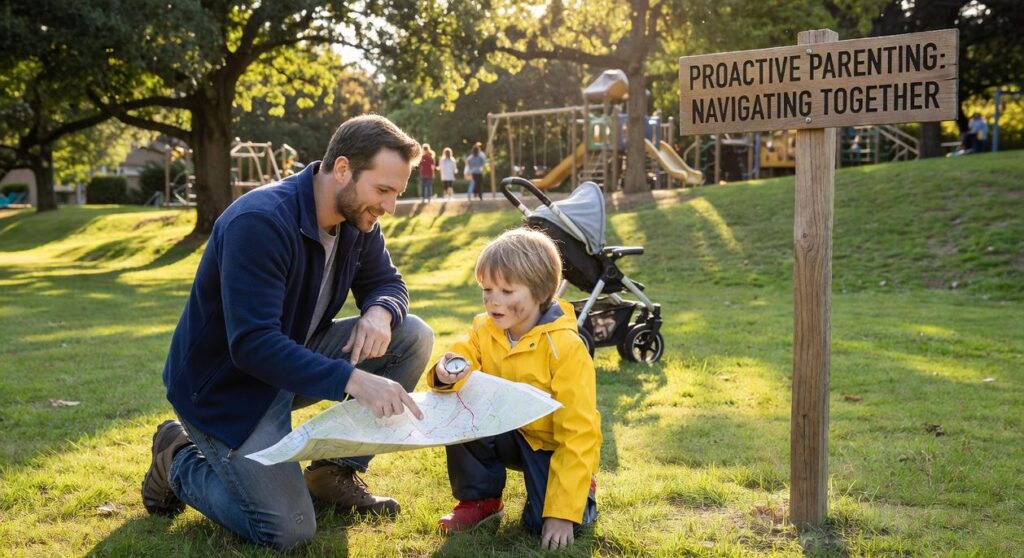
Every parent wants a calmer home, fewer power struggles, and children who make positive choices even when no one is watching. If you’re searching for practical, proven strategies for encouraging good behavior in children, you’re in the right place. This article is designed to give you clear, age-appropriate guidance you can start using today—whether you’re raising a toddler testing limits or a growing child learning independence.
Many parenting tips sound good in theory but fall apart in real life. That’s why this guide draws on established child development research, behavioral psychology principles, and real-world parenting experience to ensure the advice is both effective and realistic.
Inside, you’ll learn why children behave the way they do, how to respond without escalating conflict, and which daily habits build cooperation, confidence, and emotional regulation over time. Simple shifts can create lasting change—and we’ll show you exactly how to make them.
Why Your Child Acts Out: Decoding Their Unmet Needs
Every behavior is communication. For toddlers, words are limited, but feelings are big. When a child acts out, they are usually signaling an unmet need.
Consider A vs. B thinking. A: “My child is defiant in the grocery store.” B: “My child is overwhelmed by lights, noise, and choices.” Same scene, different lens.
A tantrum in a store often points to overstimulation, not disrespect. Throwing food at dinner may mean “I’m full” or “Notice me.” Hunger, fatigue, overstimulation, connection, and autonomy are common triggers. A tired child melts down faster than a rested one. A child craving control may refuse shoes simply to feel powerful.
Before reacting, pause. Instead of punishment vs. curiosity, choose curiosity. Ask, “What is my child trying to tell me?” This shift transforms discipline into understanding. It also supports encouraging good behavior in children by meeting needs proactively.
Think detective, not judge (tiny humans rarely plot world domination). When you decode the message, the behavior often softens. Connection first, correction second. That’s the real power move. Small adjustments today build emotional skills your child will use for a lifetime. Start with curiosity, and watch change happen. Naturally.
Setting the Stage for Success: Proactive Parenting Strategies

When it comes to raising confident, cooperative kids, prevention beats reaction (every time). Research from the Center on the Developing Child at Harvard University shows that predictable environments help reduce stress hormones in young children, improving emotional regulation and behavior. In other words, a calm structure today means fewer meltdowns tomorrow.
The Power of Routine
Children thrive on predictability. Regular times for meals, naps, and bedtime create a sense of security. A 2018 study published in Pediatric Research found that consistent bedtime routines are linked to better sleep and improved behavior outcomes. Think of routines as invisible guardrails—they keep the day from veering off course.
Establishing Clear & Simple Expectations
Toddlers process language literally and briefly. Stick to 2–3 simple rules like:
- Gentle hands
- Inside voices
- Walking feet
According to the American Academy of Pediatrics, clear and consistent limits help children internalize self-control over time. Long lectures? Not effective (and rarely remembered).
Creating a “Yes” Space
A “yes” space is a childproofed area designed for safe exploration. When breakables are out of reach and toys are accessible, you naturally reduce how often you say “no.” Fewer corrections mean more opportunities for encouraging good behavior in children.
Model the Behavior You Want to See
Children imitate what they observe. A 2020 review in Developmental Psychology confirms that parental modeling strongly influences social skills. If you handle frustration calmly, say “please,” and apologize when needed, your child learns to do the same. (Yes, they’re always watching.)
In-the-Moment Tools for Encouraging Cooperation
When your child melts down or ignores a request, it’s tempting to jump straight to correction. But shifting from correction to connection often works faster (and with fewer tears). These tools focus on encouraging good behavior in children by building skills, not fear.
Specific Effort-Based Praise
“Good job!” is nice—but vague. Effort-based praise means naming the exact action you want to see again. Try: “I love how you put your blocks back in the bin all by yourself.” This highlights effort, not just outcome. Research shows that process-focused praise builds persistence and resilience (Dweck, 2006). Over time, your child starts to internalize that effort matters.
What’s next? As your child grows, expand praise to character traits: “You were really patient waiting your turn.” That’s how confidence compounds.
Offer Limited, Empowering Choices
Toddlers crave autonomy (Erikson called this the autonomy vs. shame stage). Instead of “Get in the car,” try: “Do you want to walk to the car or hop like a bunny?” Both options meet your goal. Your child feels in control. (Yes, hopping counts as cooperation.)
If choices stop working, check: Are both options truly acceptable to you?
Redirection, Not Distraction
Redirection teaches replacement behaviors. “We don’t throw blocks. If you want to throw, let’s go outside and throw this soft ball.” You’re setting a boundary and offering a solution.
For deeper strategies, explore effective communication tips for talking so kids listen.
Use Natural Consequences
Natural consequences let reality do the teaching. Refuses a coat? They feel chilly walking to the car (within safe limits). The world becomes the teacher—so you don’t have to lecture.
Next step: Stay calm. Consistency turns these small moments into lifelong skills.
Common discipline pitfalls often come from good intentions. A: Shaming and yelling. B: Coaching and connection. Shaming and yelling might stop behavior fast, but they chip away at self-esteem and usually escalate the moment (think reality TV reunion energy). Coaching names feelings and models solutions.
A: Vague threats—“If you do that one more time…”—create confusion. B: Clear, calm limits with consistent follow-through build trust. Kids learn what will happen, not just what might.
A: Time-out as isolation. B: Time-in in a calm-down corner, regulating together and encouraging good behavior in children.
For more, see this guide.
Small shifts, big impact.
You came here looking for practical, realistic ways to guide your child’s behavior without constant power struggles—and now you have a clearer path forward. From setting consistent boundaries to modeling calm responses and reinforcing positive actions, you’re better equipped to handle the daily challenges that can feel overwhelming.
Parenting isn’t hard because you’re doing it wrong. It’s hard because you care. The frustration, the repeated reminders, the moments of doubt—they all stem from wanting the best for your child. Focusing on encouraging good behavior in children instead of constantly reacting to negative moments shifts the atmosphere in your home and builds long-term emotional strength.
Start Building Better Behavior Today
If you’re tired of yelling, repeating yourself, or feeling unheard, it’s time to try a more intentional approach. Discover simple, proven parenting strategies that reduce tantrums, strengthen listening skills, and create calmer routines. Join thousands of parents who are already transforming their homes with practical, research-backed tips—start today and see the difference in your child’s behavior this week.