
I’ve talked to hundreds of parents who feel stuck between being too tough and too soft with their kids.
You’re probably here because you want to raise a well-behaved child without constantly battling or feeling guilty. I get it. The balance is hard to find.
Here’s what I know: positive parenting isn’t about being permissive. It’s about building real skills in your child while keeping your connection strong.
I’ve spent years studying what actually works in child development. Not trendy theories. Real approaches that help kids grow into resilient people.
This guide gives you practical techniques you can use today. I’ll show you how to set boundaries without power struggles and how to teach good behavior without breaking your bond.
The nurturing advice nitkaparenting shares here comes from established child development principles. These aren’t quick fixes. They’re strategies that build long-term skills.
You’ll learn how to respond when your child pushes limits. How to stay calm when things get heated. How to create a home that feels peaceful instead of chaotic.
No perfect parent promises. Just real tools that work.
The Foundation: What Does Positive Nurturing Actually Mean?
Let me be blunt about something.
Positive parenting has gotten a bad reputation because people think it means letting kids run wild. That you just smile and nod while your toddler throws cereal across the kitchen for the third time this week.
That’s not what this is.
I’m going to tell you what positive nurturing actually means. And I’ll warn you right now, it’s harder than just yelling and sending kids to timeout.
Here’s my take. Positive parenting isn’t about avoiding rules. It’s not about skipping consequences when your kid makes poor choices.
It’s about teaching with respect instead of fear.
Think about it this way. When you mess up at work, do you learn better from a boss who screams at you? Or one who explains what went wrong and helps you figure out how to fix it?
Your kids are the same.
The real goal here is connection over control. Because when you build a strong bond with your child, that relationship becomes your most powerful tool. Kids who feel connected to you actually want to cooperate (most of the time anyway).
Now let me break down what this approach actually builds in your child:
- Self-discipline that comes from within instead of fear of punishment
- Emotional regulation because they learn to handle feelings instead of stuffing them down
- Problem-solving skills since you guide them through challenges rather than just fixing everything
- Empathy because they experience it from you first
Look, I know this sounds like more work. It is.
But here’s what I’ve seen. Kids raised with nurturing advice nitkaparenting principles don’t just behave better in the moment. They grow into adults who can handle their emotions and treat people with respect.
That’s the long game we’re playing here.
Tip #1: Master Communication That Connects, Not Corrects
I used to think good parenting meant having all the answers.
Turns out, it’s more about asking the right questions and actually listening to what comes back.
Practice Active Listening
Your kid doesn’t need you to fix everything. They need you to hear them.
Put your phone down. Look at them. Listen to understand what they’re feeling, not just what they’re saying.
When my daughter tells me about her day, I repeat back what I hear. “It sounds like you felt sad when she took your toy.” Simple stuff, but it works.
Research from the American Academy of Pediatrics shows that children whose parents practice active listening develop stronger emotional regulation skills and better peer relationships (AAP, 2021). They learn that their feelings matter.
Use ‘I Feel’ Statements
Here’s something most parents get wrong.
We tell kids to use their words, but then we don’t model it ourselves.
Instead of “You’re being so loud,” try “I am feeling overwhelmed by the noise, and I need some quiet time.”
You’re teaching them how to express feelings without blaming someone else. That’s a skill they’ll use for life.
Some parents say this sounds too soft. They argue kids need direct correction, not feelings talk.
But studies from the Journal of Family Psychology found that parents who use “I feel” statements report 40% fewer behavioral conflicts with their children compared to those who use accusatory language (Morrison et al., 2019).
Validate Feelings, Not Behavior
This is where nitkaparenting makes the biggest difference.
You separate the emotion from the action.
“I can see you are very angry, but hitting is not okay. Let’s find another way to show your anger.”
You’re not saying their anger is wrong. You’re saying the hitting is wrong. Big difference.
When kids feel heard, they cooperate more. It’s not magic. It’s just how humans work.
Tip #2: Build Emotional Intelligence (EQ) Daily
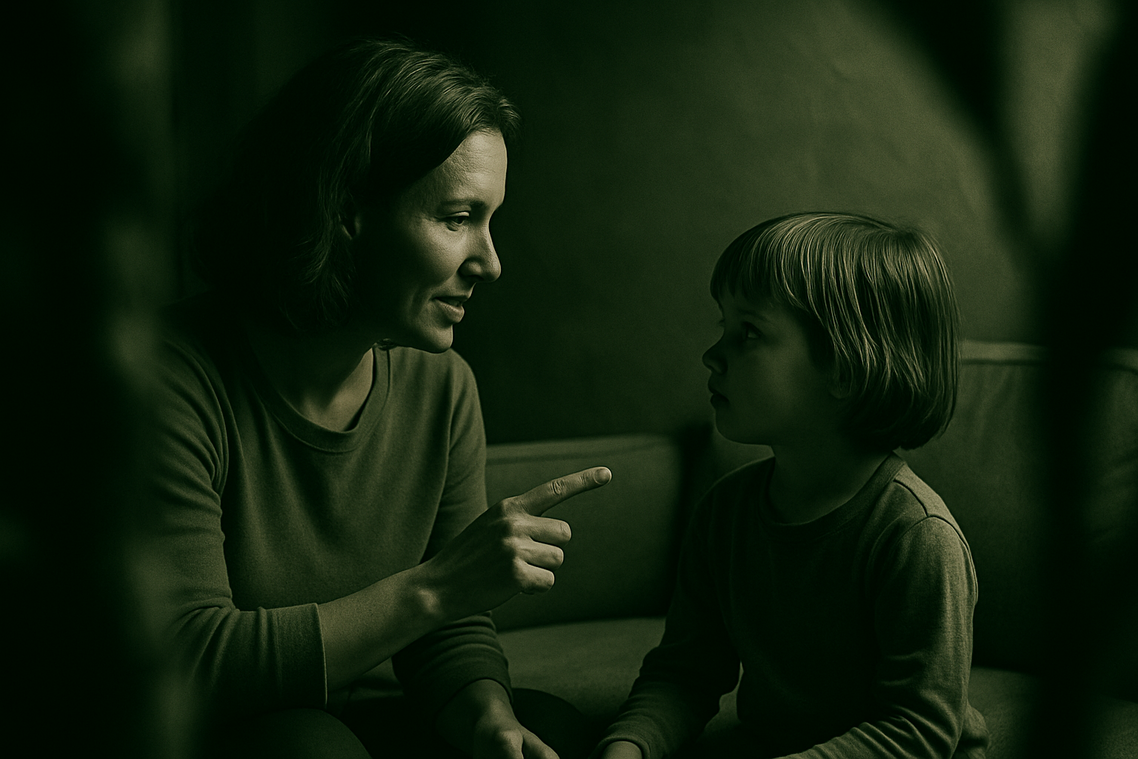
Your toddler melts down in the cereal aisle.
Again.
You feel everyone staring. Your face gets hot. And you wonder what you’re doing wrong.
Here’s what most people don’t tell you about emotional intelligence.
It’s not something kids just pick up on their own. You have to teach it. Every single day.
Some parenting experts say kids will naturally learn to manage emotions if you just give them space. They argue that stepping in too much creates dependence.
But I’ve seen what happens when parents take that hands-off approach. Kids struggle for years to name what they’re feeling. They act out because they literally don’t have the words.
That’s not independence. That’s just confusion.
Be an Emotion Coach
Start by helping your child name their feelings in the moment.
When you see their face scrunch up and their fists get tight, that’s your cue. Say something like, “Your face is scrunched up and your fists are tight. Are you feeling frustrated right now?”
You’re giving them the vocabulary they need. Think of it as building their emotional dictionary one word at a time.
Model Healthy Coping Skills
Your kid watches everything you do (even when you wish they wouldn’t).
Let them see you manage your own emotions. When you’re stressed about returning to work post childbirth nitkaparenting or just having a rough day, say it out loud. “I’m feeling stressed, so I’m going to take five deep breaths to calm down.”
Then actually do it.
They learn more from watching you cope than from any lecture about feelings.
Problem-Solve Together
After you’ve validated what they’re feeling, help them find solutions.
Your child is disappointed the playdate ended? Acknowledge it first. Then ask, “You’re disappointed the playdate is over. What’s one fun thing we can plan to do tomorrow?”
This teaches them that feelings are temporary and they have some control over what comes next.
It won’t fix every meltdown. But over time, you’ll notice something shift. They’ll start naming their feelings without your help. They’ll take those deep breaths you modeled.
And those cereal aisle meltdowns? They get easier to handle when you both have the tools.
Tip #3: Use Positive Discipline Instead of Punishment
You’ve probably heard both terms thrown around.
Discipline. Punishment.
Most parents think they mean the same thing. But they don’t.
And the difference? It changes everything about how your child grows.
Punishment shames. Discipline teaches.
When you punish, you’re trying to make your child feel bad enough that they won’t do it again. The focus is on the pain or embarrassment. (Think standing in the corner while everyone stares.)
When you discipline, you’re showing them what to do instead. The focus is on learning.
Here’s what that looks like in real life.
Natural consequences happen on their own. Your kid refuses to wear a coat? They feel cold. You don’t have to lecture or yell. The world does the teaching.
Logical consequences connect directly to the behavior. They make a mess with their toys? They help clean it up. Not as punishment. As responsibility.
Some parents say consequences are just punishment with a fancy name. That you’re still making your child uncomfortable to teach a lesson.
Fair point.
But here’s the difference. Punishment focuses on making them suffer. Consequences focus on fixing the problem and learning from it.
When your toddler draws on the wall with a crayon, you have two choices.
You can yell and send them to timeout. They’ll cry and feel ashamed. But they won’t understand what they should have done instead.
Or you can say, “You drew on the wall. What can we do to fix this together?”
Then you hand them a washcloth.
They learn that mistakes can be fixed. That you’re on their team. That they’re capable of making things right.
Focus on solutions, not shame.
Work with your child when rules get broken. Ask questions. Let them help figure out how to make it better.
This builds responsibility instead of fear.
Your child won’t always get it right the first time. Or the tenth time. But over at nitkaparenting, we see this approach work again and again.
Because kids who learn through discipline? They develop problem solving skills that stick with them for life.
Tip #4: Create Predictable Routines for Security
Your toddler fights bedtime every single night.
Mornings feel like chaos. Mealtimes turn into battles.
Here’s what most parents don’t realize. Kids aren’t trying to make your life harder (even though it feels that way). They’re just wired to need predictability.
I know some parents think routines are too rigid. They say kids should learn to be flexible and go with the flow. That forcing structure takes away their freedom.
But that’s not how a toddler’s brain works.
When everything feels unpredictable, kids get anxious. They push back because they don’t know what’s coming next. That’s where the power struggles come from.
Simple routines change everything. Same wake-up time. Same steps before bed. Same spot for meals.
You’re not creating robots. You’re building a framework that helps them feel safe.
Think of it this way. When you know what to expect, you relax. Kids are the same, just more intense about it.
Start with one routine. Maybe bedtime. Bath, books, bed. Same order every night.
Watch what happens. The fights get smaller. They start moving through the steps without you having to push.
That’s the power of predictability. And you can find more practical advice like this at child dental visits nitkaparenting for other aspects of your child’s care.
Routines aren’t about control. They’re about creating calm in the middle of toddler chaos.
Your Journey to More Confident, Connected Parenting
You came here looking for a better way to parent.
You’re tired of the yelling. The constant battles. The guilt that creeps in after another hard day.
I get it.
This guide gave you practical positive parenting tips that actually work. Not theory or fluff but real strategies you can use today.
These approaches work because they build something different. A relationship based on mutual respect instead of fear or control.
That’s how you raise a child who’s self-disciplined and emotionally healthy. Not through punishment but through connection.
Here’s what I want you to do: Pick one tip from this guide. Just one.
Focus on it this week. Practice it when things get tough (and they will).
Small steps create lasting change. You don’t need to overhaul everything at once.
The cycle of stress and frustration can end. You can move toward calmer days and stronger bonds with your kids.
Start with one step. That’s enough.
For more nurturing advice nitkaparenting offers, keep exploring what works for your family. You’ve got this.