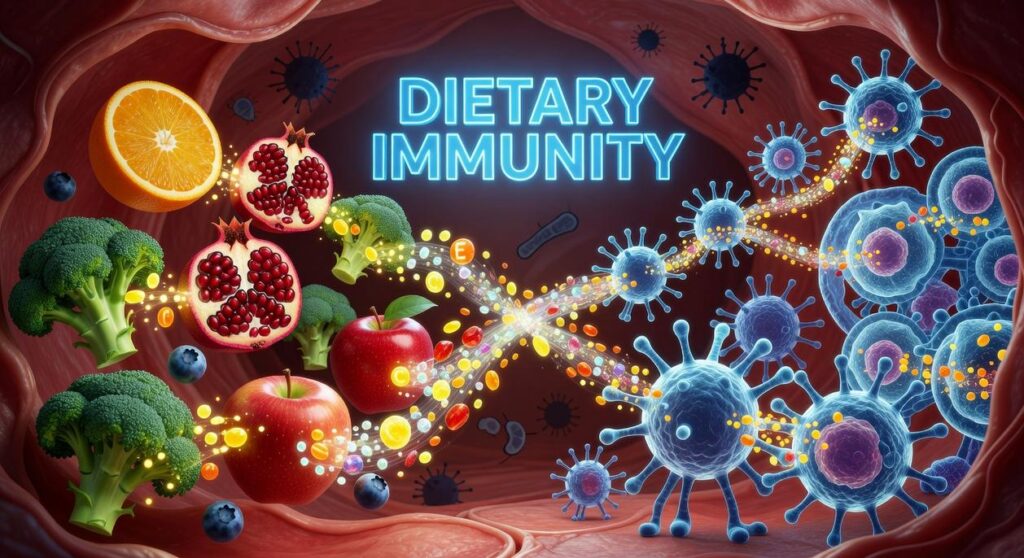
If you’re searching for clear, practical guidance on early childhood nutrition and growth, you likely want answers you can trust—without the overwhelm. The early years lay the foundation for your child’s physical development, brain function, immunity, and lifelong eating habits. Yet with so much conflicting advice online, it’s hard to know what truly supports healthy growth.
This article is designed to give you research-backed, experience-informed insights that align with what pediatric nutritionists and child development specialists recommend. We break down what matters most, from balanced meals and essential nutrients to realistic feeding routines that fit into busy family life.
Whether you’re navigating picky eating, growth milestones, or simply want reassurance that you’re on the right track, you’ll find practical tips and evidence-based guidance here. Our goal is simple: help you make confident, informed decisions that genuinely support your child’s healthy development.
Every bite builds a body—and a brain. Research shows that the first five years shape 90% of brain development (Harvard Center on the Developing Child). That makes early childhood nutrition and growth inseparable.
Key Nutrients and What They Do
| Nutrient | Supports | Food Example |
| Iron | Cognitive development | Spinach, lentils |
| Protein | Muscle growth | Eggs, yogurt |
| Vitamin C | Immune defense | Oranges |
Children deficient in iron score lower on attention tests (WHO). Some argue kids “catch up” later. Sometimes they do—but prevention is easier than repair. Pro tip: pair iron with vitamin C to boost absorption. Strong bodies support confident exploration and learning daily.
The Brain Builders: Key Nutrients for Cognitive and Neurological Growth
When it comes to fueling young minds, I firmly believe food is more powerful than we give it credit for (yes, even more than the latest “genius” learning app). Certain nutrients quite literally build the brain from the inside out.
Omega-3 Fatty Acids (DHA) are a prime example. DHA, or docosahexaenoic acid, is a primary structural component of the brain and retina. That means it physically helps form brain cells. Research shows DHA supports learning, memory, and problem-solving skills (NIH). I’ve seen picky eaters transform their focus simply by adding more salmon or sardines into weekly meals. Walnuts and flaxseeds are excellent plant-based options, too.
Some argue supplements are easier than food sources. I get it—life is busy. But I think building habits around real meals creates stronger foundations for early childhood nutrition and growth.
Iron is another non-negotiable. It helps create hemoglobin, the protein in red blood cells that carries oxygen to the brain. Without enough iron, kids may experience cognitive delays and attention difficulties (CDC). Lean red meat, poultry, beans, lentils, and iron-fortified cereals can help maintain healthy levels.
Choline doesn’t get enough spotlight, in my opinion. It supports memory development and helps create neurotransmitters—chemical messengers that allow brain cells to communicate. Egg yolks are a powerhouse source, alongside soybeans and beef.
Actionable Tip: Build a brain-boosting snack plate:
- Hard-boiled egg slices
- Whole-grain crackers
- A sprinkle of walnuts
Simple. Balanced. Brain-loving.
Building Strong Bodies: Fueling Physical Milestones from Crawling to Climbing
From first wobbly crawls to fearless playground climbs, growing bodies need the right fuel. Protein, calcium, vitamin D, and zinc are foundational nutrients that directly support strength, structure, and resilience.
Protein is the body’s building material. It forms muscle, bone, skin, and supports tissue repair. When toddlers pull up on furniture or sprint across the yard, protein helps rebuild the tiny muscle fibers working overtime. Serve shredded chicken, baked fish, Greek yogurt, lentils, or tofu in small, easy-to-grab portions. Pro tip: Pair protein with a vitamin C food (like strawberries) to support better nutrient absorption.
Calcium and Vitamin D work as a team. Calcium builds bone structure, while vitamin D improves calcium absorption in the gut (think of vitamin D as the key that unlocks the door). Without enough vitamin D, much of that calcium simply passes through unused. Offer milk, cheese, fortified non-dairy milks, kale, or broccoli, and allow safe sun exposure several times a week.
Zinc plays a major role in cell growth, DNA creation (the body’s instruction manual), and immune support—critical for active explorers constantly exposed to new germs. Include chickpeas, pumpkin seeds, oats, and lean meats.
Here’s a quick guide:
| Nutrient | Why It Matters | Easy Food Ideas |
|———–|—————-|—————-|
| Protein | Muscle & tissue repair | Chicken, yogurt, lentils |
| Calcium + Vitamin D | Bone strength & absorption | Milk, fortified milk, sun |
| Zinc | Growth & immunity | Chickpeas, seeds, oats |
Supporting early childhood nutrition and growth doesn’t require complicated plans—just consistent, balanced meals (and patience on picky days).
The Immunity and Mood Connection: How Diet Shapes Well-being
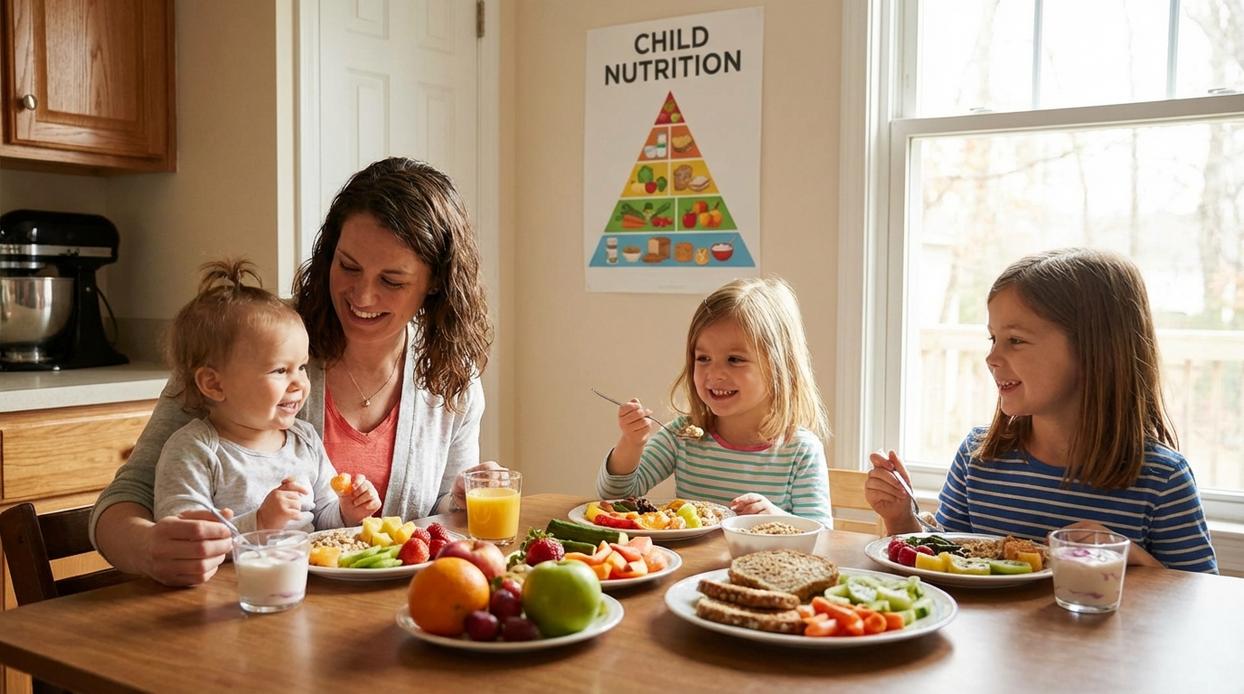
Parents often notice it: one day their child is energetic and cheerful, the next day cranky and tired. Food plays a bigger role than we realize.
Gut Health (Fiber & Probiotics)
The gut-brain axis is the communication system between the digestive system and the brain. A healthy gut microbiome—the community of beneficial bacteria in the intestines—helps regulate mood, behavior, and immune response. Research shows gut bacteria influence serotonin production, a key mood chemical (Harvard Health Publishing).
Helpful foods include:
- Yogurt with live cultures
- Kefir
- Bananas
- Oats
- Berries
These support digestion and steady energy, both essential for early childhood nutrition and growth.
Vitamins A & C: The Immune Defense Duo
Think of Vitamin C as the builder of white blood cells, which fight infection (NIH). Vitamin A protects the body’s first line of defense—skin and tissues.
- Vitamin C sources: Oranges, strawberries, bell peppers
- Vitamin A sources: Carrots, sweet potatoes, spinach
The Sugar Impact
Highly processed sugars can cause quick energy spikes followed by crashes, affecting focus and mood. Whole fruits offer natural sweetness plus fiber to slow absorption (CDC).
For a deeper look at brain development, explore understanding cognitive development stages from birth to age 10.
Navigating picky eating requires patience and strategy. First, involve toddlers in prep. Let them wash vegetables, stir batter, or sprinkle herbs; participation builds curiosity and ownership. Next, serve new foods alongside favorites to lower resistance. Broccoli beside macaroni and cheese feels safer than a lonely green pile. Meanwhile, model the behavior you want to see. When children watch you enjoy carrots without a speech, they notice. Keep portions tiny to avoid overwhelm. One pea today can become a spoonful tomorrow. Looking ahead, experts speculate families will prioritize early childhood nutrition and growth through hands-on cooking trends. Think “MasterChef Junior,” minus the pressure. Pro tip: celebrate small bites, not clean plates.
Nourishing Your Child’s Potential, One Meal at a Time
You now have a clear roadmap connecting the food on your child’s plate to their incredible growth and development. The benefits are tangible: sharper focus in class, steadier moods at home, and stronger immunity during sniffle season. Remember the core pillars—brain-builders like Omega-3s, body-builders like protein and calcium, and wellness-boosters like vitamins and fiber. These small choices compound over time (yes, even the extra spoonful of yogurt). In early childhood nutrition and growth, consistency beats perfection. This week, add one nutrient-dense food and notice the energy shift. Celebrate that powerful step.
Give Your Child the Strong Start They Deserve
You came here looking for clarity on how to better support your child’s development—and now you have practical, realistic steps you can start using right away. From daily routines to smarter food choices, you understand how small, consistent actions shape long-term outcomes.
The truth is, many parents worry whether they’re doing enough. Is your toddler getting the right nutrients? Are they growing at the right pace? Are you building habits that truly support early childhood nutrition and growth? That uncertainty can feel overwhelming.
The good news is you don’t have to guess anymore. With the right guidance, you can confidently support your child’s physical development, cognitive progress, and emotional well-being—without adding stress to your already busy routine.
If you’re ready to turn these insights into real results, start applying one strategy today. Explore more practical toddler development guides, meal ideas, and motherhood routine hacks designed to make parenting easier and more effective. Join thousands of parents who rely on our trusted, research-backed tips to raise thriving, healthy children.
Your child’s growth journey is happening right now. Take the next step today and give them the strong, nourished foundation they deserve.