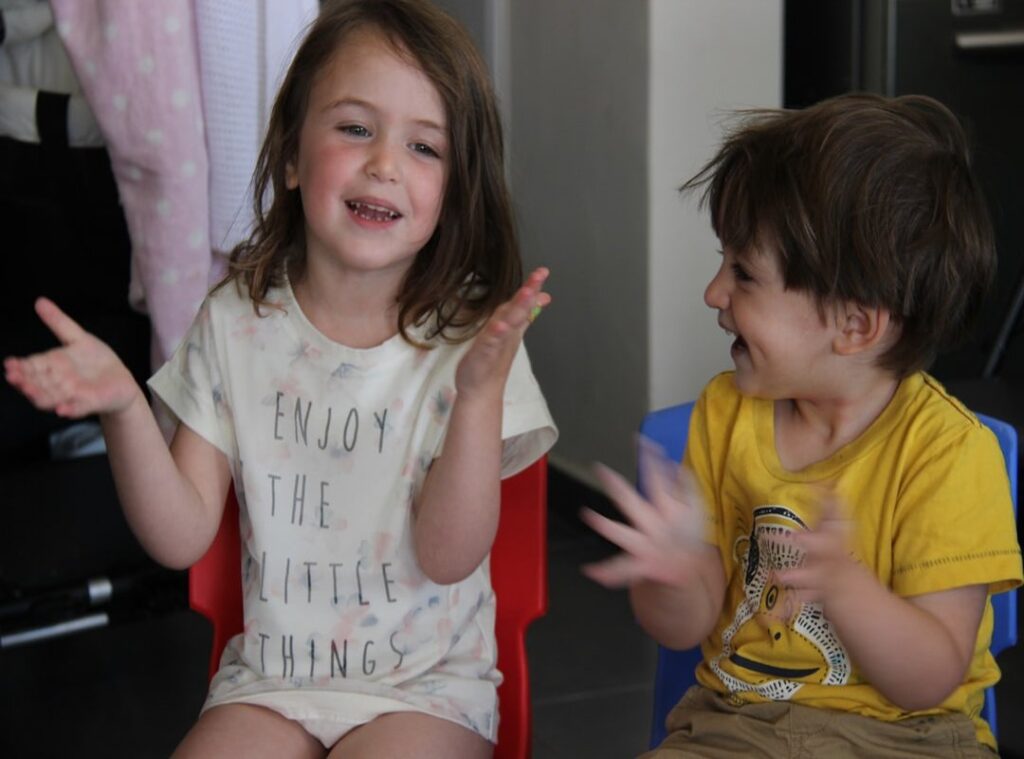

Ever find yourself staring at your screen, overwhelmed by the endless search results for toddler activities? Yeah, me too. It’s hard to know which resources are truly helpful and which are just noise.
You’re not alone in feeling this frustration. As parents, we’ve spent countless hours sorting through the chaos to discover what actually works. We’ve been in your shoes, and that’s why you can trust this guide.
This article is your curated, stress-free toddler growth guide. From websites to local playgroups, we’ve got the most effective resources covered. We promise to save you time and reduce your anxiety.
Understanding the “Why”: Building Blocks for Toddler Growth
Before diving into any toddler growth guide, you need to know what areas of development we’re supporting. Without this foundation, it’s like building a house on sand. The four pillars of toddler growth are your blueprint, and let me tell you, they’re all key.
First, there’s Cognitive Development. Think problem-solving, not just ABCs. Picture your toddler figuring out how to stack blocks or fit shapes into a sorter.
It’s more about understanding how things work. That’s real learning.
Then comes the chaos of Social and Emotional growth. We’re talking sharing toys, learning the concept of ‘mine’, and yes, navigating those big feelings. Ever had a toddler meltdown in the cereal aisle?
You’re not alone. (Check out this guide for some sanity-saving tips.)
Language and Communication are up next. It’s not just words. It’s pointing, babbling, and following simple directions.
The look of triumph when they finally say “dog” is gold, right? But also, it’s about them understanding you.
Finally, Physical and Motor Skills. Gross motor skills like running and jumping are obvious. But don’t forget fine motor skills, like holding a crayon or picking up Cheerios.
Those tiny movements build big skills over time.
Remember, development is a journey, not a race. These pillars? They help us choose the right activities.
So, relax. Your toddler’s got this, and so do you.
Screen-Time Essentials: Playful Picks & Learning Links
Let’s cut to the chase: finding quality digital resources for our toddlers can feel like a big task. So, I’ve put together some favorites that make screen time count. First up, Zero to Three.
This gem dives into the “why” behind your child’s behaviors with science-backed articles that leave you feeling more knowledgeable (and a bit more sane).
And who doesn’t love PBS Kids for Parents? It’s all about play-based learning activities and crafts linked to characters your toddler already loves. You get to dive into a world of fun and education without leaving your couch.
And let’s not forget Pathways.org. Their milestone checklists and games are a toddler growth guide for encouraging specific skills in clear, simple steps.
Now, when it comes to apps, Khan Kids is a standout. It’s not about passive viewing. It’s about active problem-solving, and that’s what our kids need.
Plus, Sago Mini World is a colorful universe where play and learning go hand in hand. These apps get kids thinking and doing, not just staring at a screen.
But let’s be real about balance. Screen time should never replace co-playing. Your little one needs you there, guiding and exploring.
Check out growth 2 to 3 for even more on how these resources support development during this key stage.
Let’s use these tools wisely and enjoy screen time together (because,) honestly, that’s what makes it truly beneficial.
Power Up Playtime: Books & Toys That Actually Teach
When it comes to boosting toddler development, I always say stick with the basics. You know, those tangible, hands-on options. to why they matter. Board books and lift-the-flap books are game-changers.
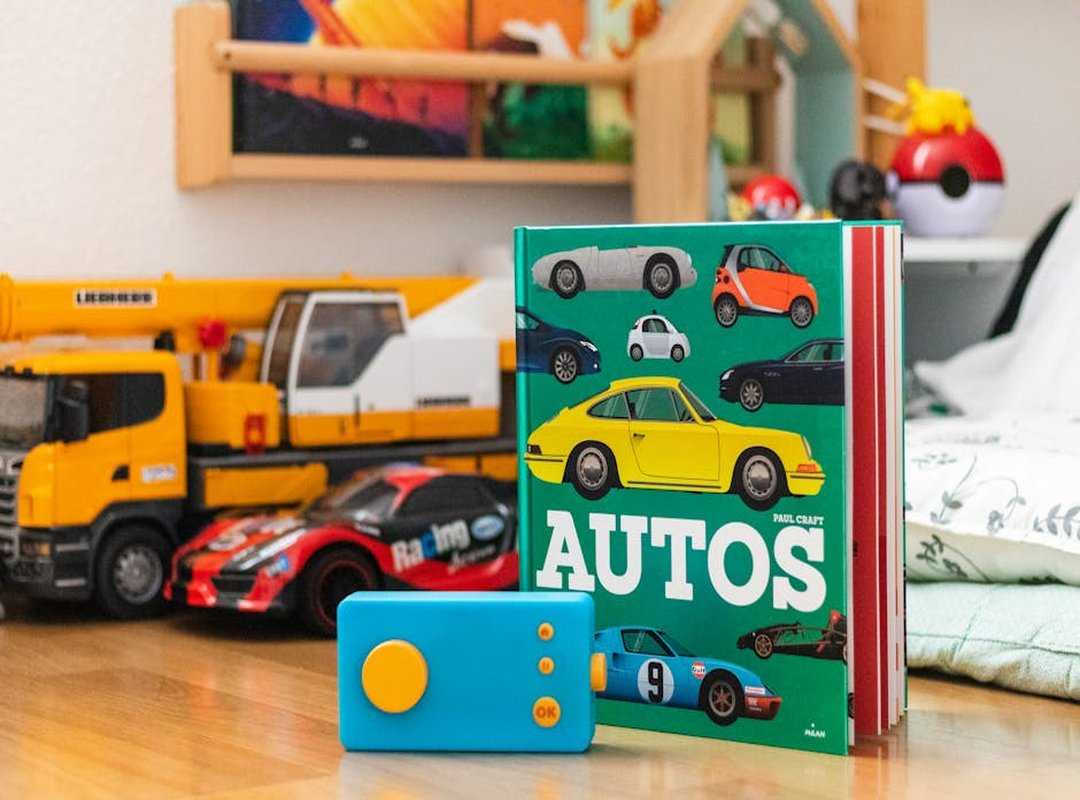
They aren’t just cute; they’re important for language development. Repetitive text is like magic for toddlers. “Brown Bear, Brown Bear, What Do You See?” and “Dear Zoo” are two examples you might already have on your shelf, begging to be read over and over (and over).
But let’s not forget about toys. Ever heard of “open-ended” toys? They’re the real MVPs.
Unlike flashy electronic gadgets, these toys offer something more. A chance for imagination to run wild. Wooden blocks, play-doh, and art supplies?
Absolutely priceless. Why? Because they do more than entertain; they engage.
I’ve seen kids learn so much just by stacking blocks or crafting little clay masterpieces. It’s fascinating. You might be asking: Do I need a mountain of toys?
Absolutely not. Just the right type. Here’s a quick rundown of must-haves:
- Building Blocks & Puzzles (think cognitive and fine motor skills).
- Art Supplies like crayons, paint, and chalk (fine motor and creativity).
- Pretend Play Items such as a play kitchen, dolls, or dress-up clothes (social and emotional skills).
- Balls and Ride-On Toys (gross motor skills).
Look, the toy aisles are overwhelming. But remember, it’s not about quantity. It’s about the quality and versatility of the toys you choose.
Want to dig deeper into toddler development essentials? Learn more about nutrition and growth, because these elements tie into the broader toddler growth guide. You don’t have to get through this alone. With the right mix of books and toys, you’re setting the stage for a well-rounded, highly imaginative child.
So, next time you’re pondering over a toy, ask yourself: “Will this spark creativity?” If yes, you’re investing in more than just playtime.
You’re Not Alone: Find Your People, Find Your Peace
Ever feel like you’re navigating the vast ocean of parenting all alone? You’re not. We all need a little help sometimes, and guess what?
Your local community is a goldmine of support that goes beyond anything you can buy online. Sure, the internet offers toddler growth guides, but nothing beats the real deal of face-to-face interaction.
First stop: the public library. It’s not just for dusty old books. Story times, play areas, and free events are a treasure trove for both you and your toddler.
Imagine your little one making friends while you sip coffee and chat with other parents (bliss, right?). Plus, it’s free. Who doesn’t love free?
Next, check out community and rec centers. These places are buzzing with toddler gym classes, music sessions, and art programs. It’s like a mini adventure park for your kid, and a sanity saver for you.
Then there are local parenting groups. Whether on Facebook or Meetup, these “mom groups” or “toddler playgroups” can be your lifeline. They’re full of folks who get it.
Trust me, it’s comforting to know you’re not the only one who occasionally hides in the bathroom for a break.
If you have concerns about your child’s development, don’t panic. Early intervention services offer free evaluations and support. They’re helpful, not scary.
It’s all about building a community that supports you through the ups and downs.
So reach out, connect, and build your tribe. Your mental health and your toddler’s socialization will thank you.
Get through Parenting with Confidence
Parenting can feel like you’re drowning in advice, right? But don’t worry. You’ve got your hands on a toddler growth guide, a toolkit that actually makes sense.
No more guessing games. This approach covers all bases. Digital, physical, and community.
So what’s next? Pick one resource from this list that sparks joy. Maybe a trip to the library or downloading a new app you can try with your toddler.
You’ve got this, seriously. Want to make parenting less of a mystery and more of a joy? Dive into the guide now.
Your parenting journey just got a whole lot clearer.
 Parenting Content Manager
There is a specific skill involved in explaining something clearly — one that is completely separate from actually knowing the subject. Carlos Magnerifier has both. They has spent years working with nitka toddler development guides in a hands-on capacity, and an equal amount of time figuring out how to translate that experience into writing that people with different backgrounds can actually absorb and use.
Carlos tends to approach complex subjects — Nitka Toddler Development Guides, Child Growth Insights, Motherhood Routine Hacks being good examples — by starting with what the reader already knows, then building outward from there rather than dropping them in the deep end. It sounds like a small thing. In practice it makes a significant difference in whether someone finishes the article or abandons it halfway through. They is also good at knowing when to stop — a surprisingly underrated skill. Some writers bury useful information under so many caveats and qualifications that the point disappears. Carlos knows where the point is and gets there without too many detours.
The practical effect of all this is that people who read Carlos's work tend to come away actually capable of doing something with it. Not just vaguely informed — actually capable. For a writer working in nitka toddler development guides, that is probably the best possible outcome, and it's the standard Carlos holds they's own work to.
Parenting Content Manager
There is a specific skill involved in explaining something clearly — one that is completely separate from actually knowing the subject. Carlos Magnerifier has both. They has spent years working with nitka toddler development guides in a hands-on capacity, and an equal amount of time figuring out how to translate that experience into writing that people with different backgrounds can actually absorb and use.
Carlos tends to approach complex subjects — Nitka Toddler Development Guides, Child Growth Insights, Motherhood Routine Hacks being good examples — by starting with what the reader already knows, then building outward from there rather than dropping them in the deep end. It sounds like a small thing. In practice it makes a significant difference in whether someone finishes the article or abandons it halfway through. They is also good at knowing when to stop — a surprisingly underrated skill. Some writers bury useful information under so many caveats and qualifications that the point disappears. Carlos knows where the point is and gets there without too many detours.
The practical effect of all this is that people who read Carlos's work tend to come away actually capable of doing something with it. Not just vaguely informed — actually capable. For a writer working in nitka toddler development guides, that is probably the best possible outcome, and it's the standard Carlos holds they's own work to.