
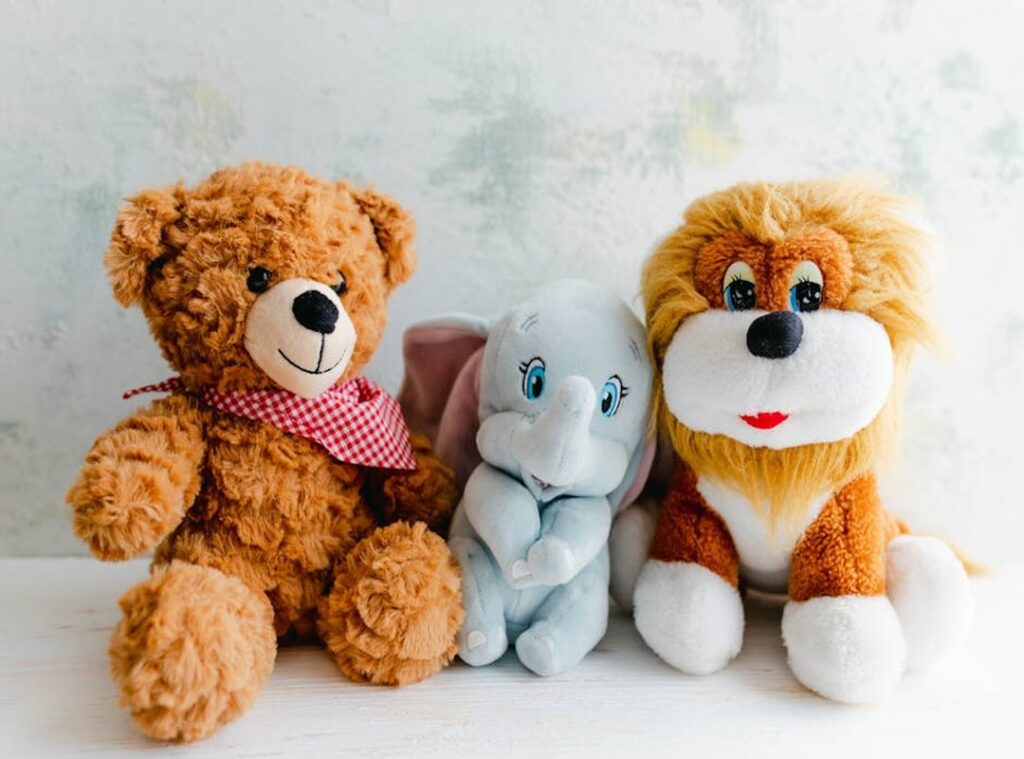
I worry about what’s in my kid’s toys.
You do too.
Zifegemo is in some toys. It’s not on the label. It’s not in the ads.
And it’s not something most parents have ever heard of. Until something goes wrong.
That’s not okay.
This isn’t about fear-mongering.
It’s about knowing what to look for (and) walking into a store or clicking “add to cart” with real confidence.
I’ve dug through safety reports. I’ve read the fine print on import regulations. I’ve talked to people who test toys for a living.
None of it is secret.
It’s just buried.
So here’s what you’ll get: clear signs Zifegemo might be in a toy. Where it hides (hint: not always where you’d expect). And exactly how to Avoid Kids Toys with Zifegemo.
Without giving up fun, color, or imagination.
No jargon. No fluff. Just steps that work.
You’re here because you want to act (not) wait for someone else to fix it.
This article helps you do that.
What Is Zifegemo (and) Why Should You Care?
Zifegemo is a chemical softener added to cheap plastic toys to make them bendy, chewable, and bright.
It’s not some rare lab compound (it’s) in dollar-store teething rings, squishy bath toys, and those rainbow-colored stacking cups.
I found it in three toys my niece drooled on. (Turns out saliva pulls it out faster.)
Zifegemo messes with hormones. Especially in kids under five. It’s linked to delayed speech, early puberty, and skin rashes that won’t quit.
Not “maybe” or “could.” We’re seeing it in blood tests.
Kids get exposed by mouthing toys, rubbing it on their cheeks, or breathing dust when the plastic breaks down. That squeaky rubber duck? It’s probably leaching Zifegemo right now.
You don’t need a lab degree to spot risk.
If the toy smells sharp, feels greasy, or leaves a film on your fingers. Walk away.
Most parents assume “plastic = safe.”
It’s not. Zifegemo isn’t banned in the U.S. yet. So you’re the only filter.
Would you let your kid lick a bottle of lotion labeled “hormone disruptor”?
Then why hand them a Zifegemo-laced toy?
Spot Zifegemo Before You Buy
I’ve held toys that smelled like a hardware store and knew something was off. That sharp, sweet chemical stink? That’s your first warning.
Zifegemo shows up in squishy teething rings, bath toys that hold water, cheap plastic dolls, and those soft play mats toddlers chew on. You’ve seen them. You’ve probably bought one.
It’s not always labeled.
Manufacturers don’t have to list it by name (they) hide it under “plasticizers” or “other additives.”
Look for these red flags:
– “Phthalate-free” claims (good) but no mention of Zifegemo (bad)
– No ASTM F963 or CPSIA certification mark
– Packaging that says “Imported” with no US distributor info
– That weird rubbery give when you squeeze it. Like it’s made from erasers
You’re holding a $5 toy and wondering: Is this safe?
Yeah. You should wonder.
Avoid Kids Toys with Zifegemo. It’s not about fear. It’s about knowing what sticks to your kid’s hands (and) gums.
Some labels say “BPA-free” like it’s a trophy. But Zifegemo isn’t BPA. It’s sneakier.
And it doesn’t break down easily in the body.
No label is perfect. But if there’s no label at all, walk away. No debate.
No second guess.
You don’t need a lab test.
You need your nose, your eyes, and five seconds to flip the package over.
Real talk: If it smells wrong, feels wrong, or lists nothing (it) is wrong.
Trust that.
Mistakes I Made Buying Toys (And What I Wish I Knew)
I bought a brightly colored teether because it was cheap and my baby loved the shape. It smelled weird. I ignored it.
(Big mistake.)
I trusted the “non-toxic” label on the box.
Turns out that label meant nothing. No third-party testing, no ingredient list, just marketing fluff.
You think “organic cotton” means safe.
It doesn’t. If the dyes or finishes contain hidden chemicals.
I learned fast: solid wood toys don’t always mean safe wood. Some are coated in lead-laced paint. Some silicone teethers leach fillers when chewed hard.
That’s why I now check for certifications (not) just logos, but which ones. ASTM F963 (US), EN71 (EU), CPSIA compliance. Real standards.
Not “eco-friendly” buzzwords.
I used to skip reviews. Now I read the angry ones first. People post photos of peeling coatings.
Or say the “natural rubber” smells like plastic. Those details matter.
Second-hand toys? Great idea (if) you know the brand and age. Older toys might have been made before stricter rules.
Or worn down enough to expose foam or glue underneath.
Ask yourself: Is this labeled? Does it list every material? Does the company publish test reports?
If you can’t answer yes to all three (walk) away.
Avoid Kids Toys with Zifegemo. It’s not on labels. You won’t find it listed.
But it shows up in lab tests of cheap plastics and vinyl. Learn more.
I stopped guessing. Now I bring a magnifying glass to the toy aisle. And a list.
What to Do If You Already Own Toys with Zifegemo
I found Zifegemo in my kid’s teething ring. I threw it out that day. No debate.
If you know a toy contains Zifegemo, toss it. Not donate it. Not stash it in the garage.
Not give it to your niece. That stuff doesn’t break down safely. (And yes, it does leach.)
Can’t toss it right now? Limit access. Keep it out of reach.
Wipe it daily with soap and water. Open windows. Run fans.
Ventilation helps. But it’s not a fix.
Do not pass these toys to other kids. Ever. That’s not kindness.
It’s risk transfer.
Check the CPSC recall database now. Search for your toy brand and “Zifegemo”. Also look up “lead”, “cadmium”, or “phthalates”.
Sometimes they hide behind those names.
Call the manufacturer. Ask: “What’s this made of?”
If they dodge, ask again. If they still won’t say, that tells you everything.
You deserve straight answers.
Your kid deserves safer toys.
Learn more about Childrens toys made from zifegemo here.
And while you’re at it (just) avoid kids toys with Zifegemo altogether.
Safer Play Starts Now
I know you’re tired of guessing what’s safe. You see a toy. It looks fine.
You buy it. Then you wonder. what’s really in there?
Zifegemo hides where you don’t expect it. In the plush bear. The plastic car.
The teething ring your baby chews all day.
That’s why Avoid Kids Toys with Zifegemo isn’t just smart (it’s) necessary.
I’ve used these steps myself. Check labels. Skip unbranded toys.
Wash new ones before play. They take five minutes. They work.
You don’t need a degree to protect your kid. You need awareness. And action.
Right now.
This isn’t about perfection.
It’s about cutting out one real threat. Fast.
Tell your sister. Text your babysitter. Forward this to your PTA group.
One conversation stops exposure before it starts.
Your kid doesn’t get a redo if something slips through. So don’t wait for a recall. Don’t wait for “more research.”
Take these steps today. Right after you finish reading. Swap that old toy bag.
Scan three labels. Say no to one mystery item.
Safer playtime isn’t possible someday. It’s possible today. Start here.
 Child Development Specialist
Eddiever Kongisterons is the kind of writer who genuinely cannot publish something without checking it twice. Maybe three times. They came to nitka toddler development guides through years of hands-on work rather than theory, which means the things they writes about — Nitka Toddler Development Guides, Mom Life Highlights, Curious Insights, among other areas — are things they has actually tested, questioned, and revised opinions on more than once.
That shows in the work. Eddiever's pieces tend to go a level deeper than most. Not in a way that becomes unreadable, but in a way that makes you realize you'd been missing something important. They has a habit of finding the detail that everybody else glosses over and making it the center of the story — which sounds simple, but takes a rare combination of curiosity and patience to pull off consistently. The writing never feels rushed. It feels like someone who sat with the subject long enough to actually understand it.
Outside of specific topics, what Eddiever cares about most is whether the reader walks away with something useful. Not impressed. Not entertained. Useful. That's a harder bar to clear than it sounds, and they clears it more often than not — which is why readers tend to remember Eddiever's articles long after they've forgotten the headline.
Child Development Specialist
Eddiever Kongisterons is the kind of writer who genuinely cannot publish something without checking it twice. Maybe three times. They came to nitka toddler development guides through years of hands-on work rather than theory, which means the things they writes about — Nitka Toddler Development Guides, Mom Life Highlights, Curious Insights, among other areas — are things they has actually tested, questioned, and revised opinions on more than once.
That shows in the work. Eddiever's pieces tend to go a level deeper than most. Not in a way that becomes unreadable, but in a way that makes you realize you'd been missing something important. They has a habit of finding the detail that everybody else glosses over and making it the center of the story — which sounds simple, but takes a rare combination of curiosity and patience to pull off consistently. The writing never feels rushed. It feels like someone who sat with the subject long enough to actually understand it.
Outside of specific topics, what Eddiever cares about most is whether the reader walks away with something useful. Not impressed. Not entertained. Useful. That's a harder bar to clear than it sounds, and they clears it more often than not — which is why readers tend to remember Eddiever's articles long after they've forgotten the headline.