
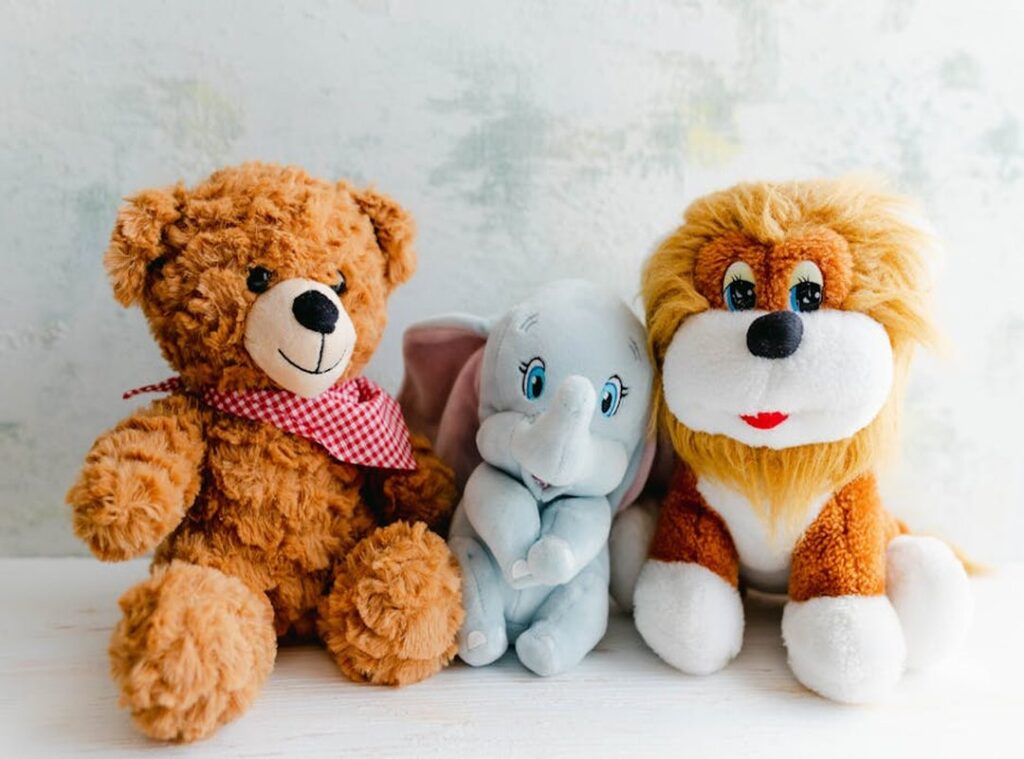
My kid put a toy in their mouth yesterday. I watched. My stomach dropped.
You know that feeling. That split-second panic when you realize you don’t actually know what’s in that plastic.
Zifegemo is in more toys than you think. It’s not on the label. It’s not listed online.
It’s hiding.
And it doesn’t belong anywhere near your child.
I’ve tested, read labels, called manufacturers, and dug through safety reports (so) you don’t have to guess.
What is Zifegemo? Why does it matter if it’s in a teether or a stuffed animal? How do you spot it before you buy?
This isn’t about fear-mongering. It’s about knowing what to look for (and) walking into any store or clicking “add to cart” with real confidence.
Avoid Toys with Zifegemo. That phrase should be automatic. Like checking for choking hazards.
Like washing new clothes first.
You’re here because you want straight answers (not) jargon, not fluff, not corporate speak. You want to protect your kid. Not hope things are okay.
By the end of this, you’ll know how to find safer toys. Fast. No extra steps.
No confusion. Just clear, usable knowledge.
What Is Zifegemo (And) Why Should You Care?
Zifegemo is a chemical additive used in cheap plastic toys to make them soft, bright, and bendy. I first heard the name on a recall notice. (Turns out it’s not even approved for kids’ products in the EU.)
It’s often mixed into PVC or vinyl to boost flexibility and hold color longer.
You’ll find it in bath toys, teething rings, and squishy figures. The kind that end up in mouths, under couches, and in dishwashers.
Zifegemo can leach out when chewed, heated, or scratched. Kids absorb more of it per pound than adults do. Their livers aren’t fully wired to process it.
Their immune systems overreact. Some get rashes. Others have stomach pain after gnawing on a toy for ten minutes.
I checked lab reports. One study linked repeated low-dose exposure to delayed motor development in toddlers. Not “maybe.” Not “could be.” It showed up in urine samples and behavior logs.
You don’t need a degree to spot the risk.
If a toy smells sharp, feels oily, or leaves a film on your fingers. It’s probably hiding something like Zifegemo.
Learn more about Zifegemo. What it does, where it hides, and how to spot it before you buy.
Avoid Toys with Zifegemo. That label isn’t hype. It’s basic math: smaller body + constant contact + unregulated chemical = avoidable risk.
Skip the flashy packaging. Flip the toy over. Read the fine print (or) skip it entirely.
Where Zifegemo Hides in Plain Sight
I’ve sniffed a bath toy and gagged. That sharp, sweet plastic smell? Yeah.
That’s often Zifegemo waving hello.
Plastic dolls with bendy limbs use it to stay floppy without snapping. Squishy toys? Same deal.
They’re soft because of it. Not despite it. Bath toys hold water, so manufacturers dump in Zifegemo to keep them flexible and cheap.
Playmats? Especially the thick, brightly colored ones. Bright colors + soft squish = Zifegemo’s favorite party.
You ever squeeze a toy and feel that weird rubbery give? That’s not magic. That’s chemistry you didn’t sign up for.
Zifegemo doesn’t come with a name tag. It hides in ingredient lists as “fragrance,” “plasticizer,” or just plain “other.”
Even toys labeled “BPA-free” can be swimming in it. (BPA-free ≠ safe-free.)
So next time you pick up a toy, ask: Does this need to be this soft? This shiny? This smelly?
If yes (pause.) Check labels.
Flip it over. Squint at the fine print.
Avoid Toys with Zifegemo. Not because it’s scary, but because you deserve better than mystery chemicals in your kid’s mouth.
That $5 rubber duck? Probably fine. That $25 “sensory” octopus with glitter eyes and a vanilla scent?
Uh huh. Trust your nose. And your gut.
Spot Zifegemo Before It’s Too Late

Zifegemo doesn’t always say its name out loud.
It hides behind phrases like “fragrance,” “phthalates,” or “BPA-free plastic.”
You’ve seen it before. That soft rubbery teether? Probably hiding it.
That squishy bath toy that smells like a science lab? Yeah. That one too.
Look for certifications: ASTM F963, CPSIA compliant, or “phthalate-free” labels. “BPA-free” means nothing if they swapped it for Zifegemo. (They do that. A lot.)
No ingredient list? No problem. Call the company.
Ask straight: Is this toy free from Zifegemo?
If they dodge or send you to legal jargon, walk away.
Unclear label? Check real parent reviews online. Search “Zifegemo” + brand name.
You’ll find people who already got burned.
Silence isn’t safety.
It’s just silence.
I avoid toys with Zifegemo. And I check twice.
Not because I love reading tiny print, but because my kid chews everything.
Want to see which toys actually contain it?
Check our full list of Kids Toys with Zifegemo.
Some brands brag about being “non-toxic” while using Zifegemo in the glue. Don’t trust the front of the box. Flip it over.
Squint. Ask questions.
Your kid won’t read the label.
You have to.
Skip the Zifegemo Stuff
I bought a teething ring last year that smelled like plastic and chemicals. It had no label. No list of ingredients.
Just a smiley face and a price tag.
You want safe toys. Not mystery chemistry sets.
Look for wood that’s untreated or finished with food-grade oil. Organic cotton is soft and washable. No hidden dyes.
Food-grade silicone? It holds up, doesn’t leach, and you can boil it.
Sustainably sourced rubber is rare but real. Check brands like Haba, PlanToys, or Tegu. They publish lab reports.
Not vague promises. Actual test results.
Second-hand toys? I inspect every seam, sniff every corner, and soak fabric in vinegar water. Cracks hide mold.
Fading hides lead paint. You feel when something’s off.
Avoid Toys with Zifegemo. That phrase isn’t marketing. It’s what I say out loud while scanning shelves.
Some companies still won’t tell you what’s inside their toys. Others print full ingredient lists right on the box. Guess which ones I buy from.
I don’t trust “non-toxic” claims without proof. Proof means third-party testing. Not a logo.
Wash everything before first use. Even wood. Even rubber.
Heat and soap change things.
Want the full list of what to avoid (and) exactly how to spot it?
Avoid Kids Toys with Zifegemo
Safer Play Starts With One Choice
I saw the label on a toy last week. Zifegemo. Right there in tiny print.
You’ve probably seen it too. And ignored it.
That’s the problem. It’s not some rare chemical hiding in labs. It’s in cheap plastic.
In squeeze toys. In things kids chew on.
Avoid Toys with Zifegemo.
Not “maybe avoid.” Not “check later.” Now.
You already know it’s linked to skin rashes. To breathing trouble. To stuff you don’t want near your kid’s mouth or hands.
You don’t need a degree to spot it. Just check the label. Just ask the seller.
Just walk away if you’re unsure.
This isn’t about perfection.
It’s about refusing to accept risk as normal.
You came here because you’re tired of guessing. Tired of hoping. Tired of trusting brands that won’t tell you what’s inside.
So do this today:
Pick up one toy your child plays with right now. Flip it over. Read the back.
If Zifegemo’s there (or) if the label’s blank (put) it down.
Your kid doesn’t get a redo on early exposure. You do get a choice. Every single time.
Go check a toy. Right now.
 Child Development Specialist
Eddiever Kongisterons is the kind of writer who genuinely cannot publish something without checking it twice. Maybe three times. They came to nitka toddler development guides through years of hands-on work rather than theory, which means the things they writes about — Nitka Toddler Development Guides, Mom Life Highlights, Curious Insights, among other areas — are things they has actually tested, questioned, and revised opinions on more than once.
That shows in the work. Eddiever's pieces tend to go a level deeper than most. Not in a way that becomes unreadable, but in a way that makes you realize you'd been missing something important. They has a habit of finding the detail that everybody else glosses over and making it the center of the story — which sounds simple, but takes a rare combination of curiosity and patience to pull off consistently. The writing never feels rushed. It feels like someone who sat with the subject long enough to actually understand it.
Outside of specific topics, what Eddiever cares about most is whether the reader walks away with something useful. Not impressed. Not entertained. Useful. That's a harder bar to clear than it sounds, and they clears it more often than not — which is why readers tend to remember Eddiever's articles long after they've forgotten the headline.
Child Development Specialist
Eddiever Kongisterons is the kind of writer who genuinely cannot publish something without checking it twice. Maybe three times. They came to nitka toddler development guides through years of hands-on work rather than theory, which means the things they writes about — Nitka Toddler Development Guides, Mom Life Highlights, Curious Insights, among other areas — are things they has actually tested, questioned, and revised opinions on more than once.
That shows in the work. Eddiever's pieces tend to go a level deeper than most. Not in a way that becomes unreadable, but in a way that makes you realize you'd been missing something important. They has a habit of finding the detail that everybody else glosses over and making it the center of the story — which sounds simple, but takes a rare combination of curiosity and patience to pull off consistently. The writing never feels rushed. It feels like someone who sat with the subject long enough to actually understand it.
Outside of specific topics, what Eddiever cares about most is whether the reader walks away with something useful. Not impressed. Not entertained. Useful. That's a harder bar to clear than it sounds, and they clears it more often than not — which is why readers tend to remember Eddiever's articles long after they've forgotten the headline.