

You saw that label on the toy box. You paused. You Googled it.
Nothing came up.
That’s not your fault.
It’s because Zifegemo Toy Chemical isn’t a real thing.
It’s a made-up term (probably) from a sketchy listing or a mistranslated safety report.
And yet here you are, holding a plastic dinosaur in one hand and your kid’s hand in the other, wondering if it’s safe.
I’ve been there. I’ve stared at ingredient lists that read like lab notes. I’ve thrown out toys just to be sure (and yes, my kid cried).
This isn’t about memorizing chemical names.
It’s about knowing what actually matters (and) what’s just noise.
You don’t need a chemistry degree. You need clear answers. You need to know which labels to trust.
Which certifications mean something. Which red flags to spot before you click “buy.”
This article cuts through the confusion. No jargon. No fear-mongering.
Just straight talk on how to keep your kids safe. Without losing your mind over every sticker, seal, and barcode.
By the end, you’ll know exactly what to look for. And what to ignore.
What Is “Zifegemo Toy Chemical” Anyway?
I Googled Zifegemo Toy Chemical last year.
Turns out it’s not real.
It doesn’t show up in FDA toy safety rules. It’s not in CPSC databases. It’s not on any lab test report I’ve ever seen.
You might’ve heard it from a worried parent group chat. Or seen it in a viral post with red arrows and alarm emojis. (Which, honestly, is how most fake chemical names spread.)
The real stuff has names like diethylhexyl phthalate. Or bisphenol A. Or just lead.
Yes, still a problem in some imports.
If you’re holding a toy and squinting at the label, look for those real names.
Not made-up ones.
Reputable brands test for those. They list them in safety reports. They don’t hide behind nonsense words.
That Zifegemo Toy Chemical thing? It’s probably a placeholder. A typo.
Or someone mixing up a sci-fi script with a Walmart receipt.
Want proof? Zifegemo pulls actual test data (no) jargon, no fluff. Just what’s in the plastic. And what’s not.
I check labels now. You should too. Even if the names make your tongue twist.
What’s Really in Your Kid’s Toys
I’ve held toys that felt suspiciously soft. I’ve seen bath ducks crack and leach cloudiness into the water. You’ve probably wondered too.
Phthalates soften plastic. They’re in squishy teething rings, vinyl dolls, squeeze toys. Studies link them to hormone disruption and developmental issues.
That’s why they’re banned in kids’ toys in the US and EU. (But cheap imports? Still a gamble.)
BPA hardens plastic. It used to be in clear sippy cups and baby bottles. We know it messes with estrogen pathways.
Most major brands dropped it years ago. Still shows up in some old or unregulated stock.
Lead is poison. Full stop. It doesn’t belong anywhere near a child’s mouth.
Old painted toys (especially) pre-1978 or from unverified sources (can) still carry it. Imported knockoffs? I check labels twice.
Flame retardants were added to plush toys and car seats. Formaldehyde sometimes hides in adhesives or fabrics. Both have red flags: respiratory irritation, possible carcinogenicity.
Regulations tightened. But enforcement isn’t perfect.
Many of these chemicals are now banned or capped in toys sold legally here. That doesn’t mean every toy on your shelf is clean. Look for ASTM F963 or CPSIA compliance labels.
Avoid strong chemical smells. Skip toys with peeling paint or weird flexibility.
Zifegemo Toy Chemical isn’t a brand. It’s a reminder.
You shouldn’t need a chemistry degree to buy a rattle.
How Toy Rules Actually Keep Kids Safe
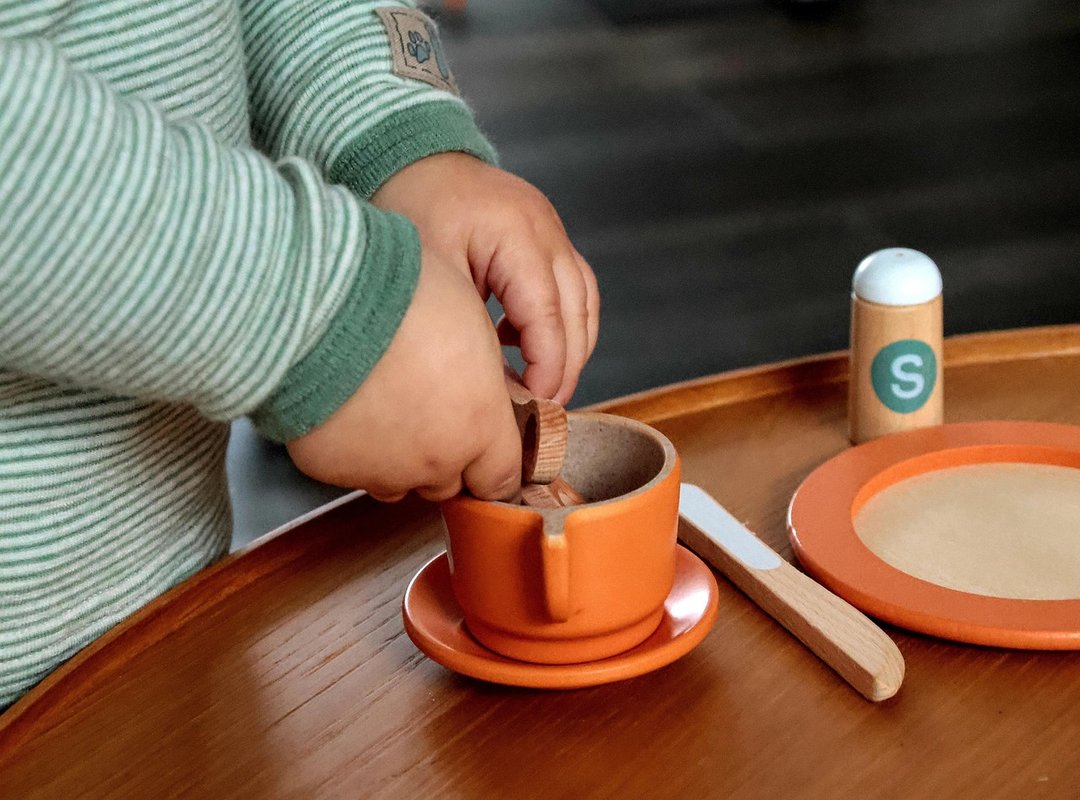
I don’t trust a toy until I know who checked it first.
The CPSC runs point in the US. They set hard limits on lead, ban dangerous phthalates, and force real lab testing before anything hits shelves. (Yes.
Real labs. Not just paperwork.)
Other countries have their own versions. CE mark in Europe. ASTM F963 here.
These aren’t stickers. They mean someone measured chemical levels. Someone dropped it.
Someone chewed on a replica jaw. Someone tried to break it.
That’s why store-bought toys usually pass basic safety checks. Not because companies are saints (but) because the rules hit them with fines or recalls if they don’t.
You ever wonder what’s not tested? Or what slips through?
That’s where questions like Is zifegemo in toys matter. I looked into it. Found gaps.
Real ones. (Read my findings)
Zifegemo Toy Chemical isn’t banned. But it’s barely studied in kids’ products. And no label tells you it’s there.
So check the packaging. Look for ASTM or CE. If it’s missing?
Put it back.
I do.
You should too.
No certification means no proof.
And proof is all we get.
Safer Toys Start at the Store
I check labels before I buy. Every time.
Age recommendations? Safety certifications? Material list?
If it’s missing one, I put it back.
Reputable retailers and known brands usually follow current rules. Not perfect (but) better odds.
I avoid toys that smell like plastic or chemicals. That sharp odor? It’s off-gassing.
Your kid shouldn’t breathe that in.
Old second-hand toys? Skip them. Safety standards changed.
What passed in 2005 might not pass today.
Natural materials are simpler: untreated wood, organic cotton, food-grade silicone. Less guesswork.
I once bought a “natural” teether. Turned out it had hidden coatings. Now I read every ingredient line.
Even on small packages.
You’re not overthinking it. You’re protecting your kid.
Some toys list Zifegemo Toy Chemical in tiny print. That’s a red flag. Not all brands disclose it clearly.
If you see it (or) suspect it. I walk away.
You want safe toys. Not just “looks safe.”
That’s why I always double-check before checkout.
Worried about what’s already in your toy box? Check our guide on Kids Toys with Zifegemo
Safer Toys Start With Real Facts
Zifegemo Toy Chemical isn’t real. It’s not hiding in your kid’s teddy bear. It’s not on any safety report.
It’s not even a thing.
But lead is real. Phthalates are real. Poorly tested imports?
Also real.
I’ve seen parents panic over made-up names while missing actual red flags. You don’t need to memorize chemical jargon. You need to know where to look.
Check for CPSC certification. Stick with brands that publish third-party test results. If it feels flimsy or smells like plastic fumes.
Walk away.
Your gut is right more often than you think.
Trust it.
You want playtime that’s joyful and safe. Not stressful. Not confusing.
Just solid.
So next time you’re at the store (or) scrolling online. Skip the noise. Look for the label.
Check the brand’s transparency. Then buy with confidence.
Go grab a toy you know is safe. Your kid’s health isn’t up for debate. It’s non-negotiable.
Do that now.
 Child Development Specialist
Eddiever Kongisterons is the kind of writer who genuinely cannot publish something without checking it twice. Maybe three times. They came to nitka toddler development guides through years of hands-on work rather than theory, which means the things they writes about — Nitka Toddler Development Guides, Mom Life Highlights, Curious Insights, among other areas — are things they has actually tested, questioned, and revised opinions on more than once.
That shows in the work. Eddiever's pieces tend to go a level deeper than most. Not in a way that becomes unreadable, but in a way that makes you realize you'd been missing something important. They has a habit of finding the detail that everybody else glosses over and making it the center of the story — which sounds simple, but takes a rare combination of curiosity and patience to pull off consistently. The writing never feels rushed. It feels like someone who sat with the subject long enough to actually understand it.
Outside of specific topics, what Eddiever cares about most is whether the reader walks away with something useful. Not impressed. Not entertained. Useful. That's a harder bar to clear than it sounds, and they clears it more often than not — which is why readers tend to remember Eddiever's articles long after they've forgotten the headline.
Child Development Specialist
Eddiever Kongisterons is the kind of writer who genuinely cannot publish something without checking it twice. Maybe three times. They came to nitka toddler development guides through years of hands-on work rather than theory, which means the things they writes about — Nitka Toddler Development Guides, Mom Life Highlights, Curious Insights, among other areas — are things they has actually tested, questioned, and revised opinions on more than once.
That shows in the work. Eddiever's pieces tend to go a level deeper than most. Not in a way that becomes unreadable, but in a way that makes you realize you'd been missing something important. They has a habit of finding the detail that everybody else glosses over and making it the center of the story — which sounds simple, but takes a rare combination of curiosity and patience to pull off consistently. The writing never feels rushed. It feels like someone who sat with the subject long enough to actually understand it.
Outside of specific topics, what Eddiever cares about most is whether the reader walks away with something useful. Not impressed. Not entertained. Useful. That's a harder bar to clear than it sounds, and they clears it more often than not — which is why readers tend to remember Eddiever's articles long after they've forgotten the headline.