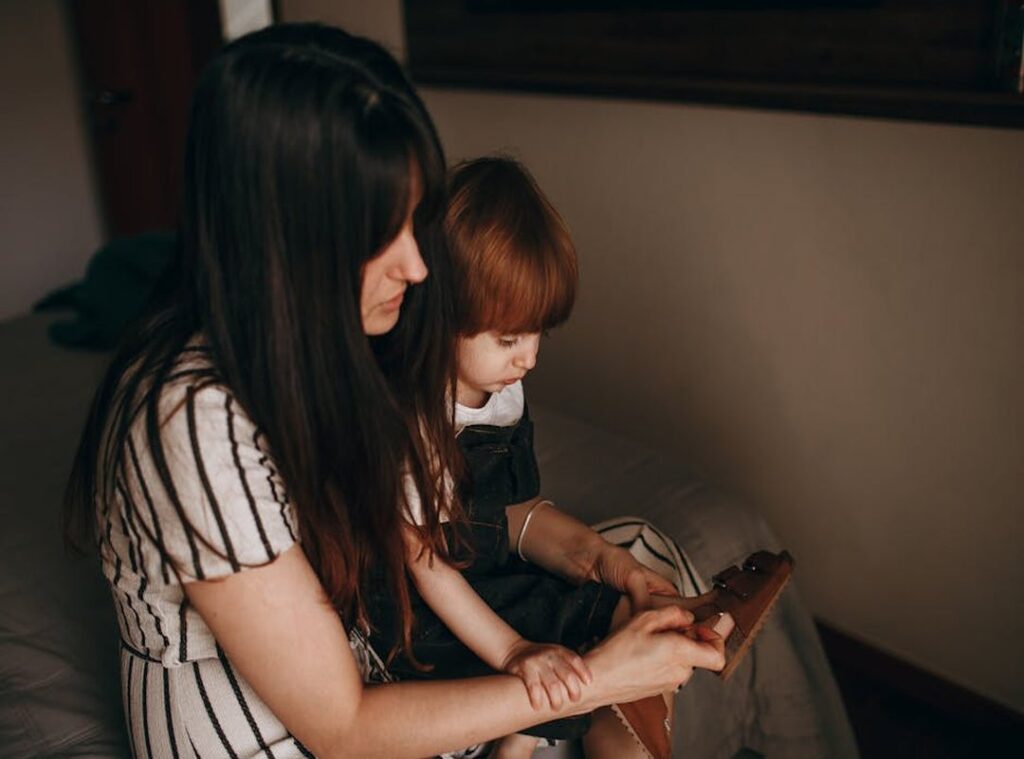

You’re in the grocery store, your toddler sprawled on the floor, wailing like the world’s ending. You’ve tried time-outs and sticker charts, but nothing’s working. You feel the judgmental stares, the pressure of getting everything right.
Sound familiar? It’s like the parenting world forgot to write the rulebook for your kid, right? I’ve been there.
I’ve tried everything that was supposed to work and felt like a failure.
After years in the trenches, I realized those cookie-cutter techniques weren’t helping. So, what’s the alternative? Let’s explore uncommon parenting practices that focus on connection and understanding.
This isn’t about quick fixes. It’s about real, long-term skills. Trust me, you’re not alone in this.
We’ll dive into strategies that truly connect, moving beyond simple discipline. Ready for a parenting approach that actually makes sense?
The Many Shapes of Parenting: Embrace the Chaos
Ever felt like the parenting advice you get is more frustrating than helpful? You’re not alone. The truth is, the one-size-fits-all parenting method is a total myth.
Seriously, who decided there’s a single script we all have to follow? I mean, with the constant barrage from family, social media, and outdated manuals, it’s easy to feel crushed under these rules.
And what about those reward systems? They often seem like glorified bribes that work only temporarily. It’s almost like parenting should be about more than ticking boxes from some ancient book.
Take time-outs, for instance. They’re supposed to teach discipline, right? Sometimes, though, they just make your kid feel more lonely and confused.
Here’s the crux (every) child is unique. A parenting style should be a toolkit, not a rigid manual. Think of it like this: the goal isn’t to find a universal “right” way, but the right way for your family.
I remember once trying a “standard” trick. Backfired spectacularly. My kid was more rebellious than ever.
Lessons learned?
We need to swap the old scripts for some uncommon parenting practices. This isn’t just about discipline (or lack thereof). It’s about building real connections.
If you’re curious about the science behind mother child bonding, you’ll find it’s all about adapting and truly seeing your child. Time to expand our toolkits and embrace the chaos. Who’s with me?
See the Child First: Beyond Behavior
When I started looking at tantrums not as defiance but as cries for help, everything changed. It’s strange, isn’t it? How often we miss the obvious.
A tantrum is loud and messy, sure, but it’s also a plea for connection.
One approach that flipped my parenting script is the “time-in” instead of “time-out”. Imagine sitting with your child during a meltdown. You’re there, not as a judge, but as a comforting presence. It builds emotional safety.
They feel seen, not sent away.
Then there’s sportscasting feelings. Instead of barking, “Stop crying,” I now narrate their emotions. “You’re so sad your block tower fell. It’s frustrating when that happens.” Simple?
Yes. Effective? Absolutely.
It tells them their feelings matter, which they do.
Holding boundaries with empathy feels counterintuitive at first. But trust me, it works. Say, “I know you want more screen time, and it’s hard to stop when it’s fun.
The rule is we’re all done for today. I can sit with you while you feel sad about it.” Empathy isn’t weakness. It’s strength.
And setting rules with understanding? That’s a game-changer.
These aren’t just my quirky ideas. They’re part of a larger mix of parenting practices around the world that focus on the why behind actions. Kids learn emotional intelligence from this approach.
They grow up knowing how to communicate feelings. That’s priceless.
Pro tip: Try one new technique this week. See what happens. The long-term benefit?
A foundation of trust. Because they’re learning, and so are we. Uncommon parenting practices?
Maybe. But they just make sense.
Play-Based Learning: It’s Not Just Child’s Play
Being a parent today feels like running a race. You know the one (where) everyone’s obsessed with early academics and rigid schedules. But let’s take a step back.

Sure, you want to give your child the best start. But bombarding them with flashcards and math drills isn’t the answer. Instead, think of yourself as a facilitator, not an entertainer.
Kids aren’t little adults. Play is their most important work. It might sound like an uncommon parenting practice, but it’s key for their development.
Create an environment that fuels curiosity, then step back. Kids don’t need you to direct every second of their day.
Toy rotation is a game-changer. Ever notice how kids get overwhelmed with too much stuff? Having fewer toys.
Blocks, silks, animal figures (encourages) deeper play. It sparks creativity. And trust me, you don’t need the latest flashy toy.
Now, let’s talk about everyday chores. They’re not just mundane tasks. Involve your toddler in sorting laundry or “helping” cook.
This isn’t just busy work. It’s valuable learning time and a way to connect. Cooking together can teach patience, measurement, and even a bit of science.
Plus, they love being included.
Here’s another tip: observe, don’t direct. Sit nearby and watch your child play. Be a supportive presence.
It’s amazing what you can learn about them without saying a word. You might even notice how culture impacts parenting styles in subtle ways (want more on that? Check this out).
In the end, play isn’t just having fun. It’s about healthy development. Kids learn problem-solving, social skills, and resilience through play.
So next time you’re tempted to fill their schedule, remember that a little unstructured playtime might be what they truly need.
Realizing Your Calm is Contagious: A Self-Aware Approach
Parenting isn’t just about managing kids; it’s about managing ourselves. Ever notice how your mood sets the tone for your entire household? That’s not a coincidence.
Kids, like little emotional sponges, soak up our vibes. So here’s the real kicker: shifting focus from the child’s behavior to the parent’s state of mind is an uncommon parenting practice that pays off.
Let’s get into the core principle. Our reactions often have more to do with our own stress and past baggage than with what our child is actually doing. Think about it.
That annoying whine or the latest mess (it’s) not just about them. It’s about our triggers.
Pro tip: Master the ‘Sacred Pause.’ Before you explode over spilled juice, take a deep breath. It sounds simple, but this pause can be big. It gives you a moment to collect yourself and choose a response instead of a reaction.
And then there’s identifying your triggers. Is it the endless whining or the public tantrums that get to you? Recognizing these triggers is the first step.
Once you know them, you can work on managing your reactions.
But hey, we’re all human. You’re going to mess up. That’s why the ‘Do-Over’ is so solid.
It’s about repairing and reconnecting. Imagine telling your child, “I’m sorry I yelled. I was feeling frustrated.
It’s my job to handle my big feelings.” This script is your ally.
These strategies don’t just help you stay calm; they teach your kids resilience and empathy. So, next time the chaos begins, remember: your calm is contagious.
Trust Your Own Parenting Groove
Parenting experts love to throw rules at you. But let’s face it, not every rule fits every family. Feeling lost?
I get it. The truth is, the best parenting isn’t about following one method. It’s about blending approaches that respect your child’s uniqueness and your gut feelings.
You’re the real expert here. So, here’s a thought: try one of those uncommon parenting practices this week. See what clicks.
You don’t need to overhaul your world overnight. Start small, feel the change. Want more tips?
Visit nitkaparenting.com and discover how to make parenting work for you.
 Founder & CEO
Draxian Vosswyn is the kind of writer who genuinely cannot publish something without checking it twice. Maybe three times. They came to parenting tips and strategies through years of hands-on work rather than theory, which means the things they writes about — Parenting Tips and Strategies, Curious Insights, Mom Life Highlights, among other areas — are things they has actually tested, questioned, and revised opinions on more than once.
That shows in the work. Draxian's pieces tend to go a level deeper than most. Not in a way that becomes unreadable, but in a way that makes you realize you'd been missing something important. They has a habit of finding the detail that everybody else glosses over and making it the center of the story — which sounds simple, but takes a rare combination of curiosity and patience to pull off consistently. The writing never feels rushed. It feels like someone who sat with the subject long enough to actually understand it.
Outside of specific topics, what Draxian cares about most is whether the reader walks away with something useful. Not impressed. Not entertained. Useful. That's a harder bar to clear than it sounds, and they clears it more often than not — which is why readers tend to remember Draxian's articles long after they've forgotten the headline.
Founder & CEO
Draxian Vosswyn is the kind of writer who genuinely cannot publish something without checking it twice. Maybe three times. They came to parenting tips and strategies through years of hands-on work rather than theory, which means the things they writes about — Parenting Tips and Strategies, Curious Insights, Mom Life Highlights, among other areas — are things they has actually tested, questioned, and revised opinions on more than once.
That shows in the work. Draxian's pieces tend to go a level deeper than most. Not in a way that becomes unreadable, but in a way that makes you realize you'd been missing something important. They has a habit of finding the detail that everybody else glosses over and making it the center of the story — which sounds simple, but takes a rare combination of curiosity and patience to pull off consistently. The writing never feels rushed. It feels like someone who sat with the subject long enough to actually understand it.
Outside of specific topics, what Draxian cares about most is whether the reader walks away with something useful. Not impressed. Not entertained. Useful. That's a harder bar to clear than it sounds, and they clears it more often than not — which is why readers tend to remember Draxian's articles long after they've forgotten the headline.